


Imagine a world where your floors are cleaned by a robot that adapts to different stains and surfaces, while corporate boardrooms are rocked by leadership changes and talent exoduses in the AI sector. This isn’t science fiction – it’s the current reality of artificial intelligence development, where consumer applications and corporate dynamics are evolving at breakneck speed. The Mova Mobius 60 robot vacuum and mop, with its intelligent mop pad swapping and 30,000Pa suction power, represents just one facet of how AI is becoming increasingly sophisticated in everyday life. But behind these consumer-facing innovations lie deeper industry shifts that are reshaping the entire technology landscape.
The Consumer AI Revolution: Beyond Gimmicks
The Mova Mobius 60 exemplifies how AI is moving beyond simple automation to adaptive intelligence. With three sets of mop pads that automatically swap based on detected stains and floor types, this device represents a significant leap from earlier robot cleaners that often spread messes rather than cleaning them. The robot’s ability to vacuum carpets, drop its magnetic mop pads, and then return to pick them up demonstrates how machine learning algorithms are becoming more nuanced in handling complex, multi-step tasks. This isn’t just about convenience – it’s about creating systems that can make contextual decisions without human intervention.
What makes this particularly noteworthy is how these consumer applications reflect broader trends in AI development. The same adaptive algorithms that power the Mobius 60’s cleaning decisions are cousins to the more complex systems being developed for industrial and corporate applications. While a robot vacuum might seem trivial compared to enterprise AI solutions, the underlying technology – sensor fusion, pattern recognition, and adaptive decision-making – shares fundamental similarities with more ambitious AI projects.
Corporate Turmoil and Leadership Shifts
While consumer AI products continue to advance, the corporate landscape is experiencing significant turbulence. Boston Dynamics, the robotics company famous for its Spot and Atlas robots, recently announced that CEO Robert Playter is stepping down after 30 years with the company, including four years as CEO. This leadership change comes as the company, founded in 1992 as an MIT spinoff and now owned by Hyundai, continues to commercialize its robotics technology. The departure of a leader with three decades of experience raises questions about strategic direction in an increasingly competitive robotics market.
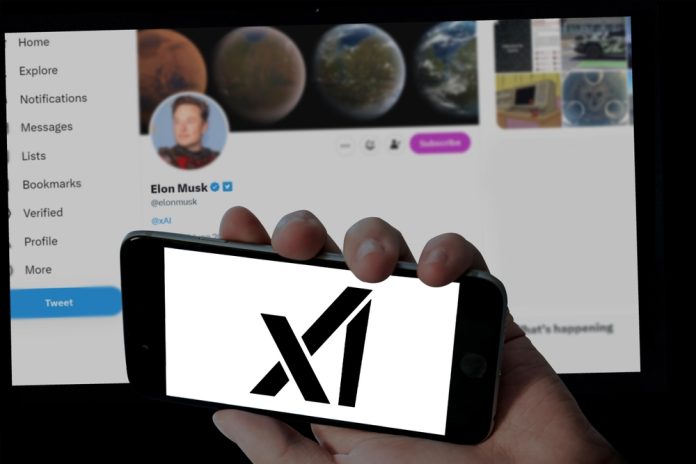
Meanwhile, Elon Musk’s xAI is facing its own challenges, with nearly half of its founding team having left the company. Five of xAI’s twelve founding members have departed since 2023, including co-founders Yuhuai (Tony) Wu, who stated “It’s time for my next chapter,” and Jimmy Ba. These departures come amid xAI’s merger with SpaceX and a pending IPO targeting a $1.5 trillion valuation. Staff have reportedly complained about overpromising to Musk, creating unreasonable demands, and facing public backlash over issues with the Grok chatbot, including its generation of non-consensual sexual imagery.
The Broader Implications for AI Development
These corporate developments highlight a critical tension in AI development: the race for innovation versus sustainable growth. As Musk noted in a recent all-hands meeting, discussing the need for lunar manufacturing facilities to build AI satellites: “You have to go to the moon. It’s difficult to imagine what an intelligence of that scale would think about, but it’s going to be incredibly exciting to see it happen.” This ambitious vision contrasts with the practical challenges facing AI companies, including talent retention, ethical considerations, and financial sustainability.
The pattern of departures at xAI – described by some sources as amicable but by others as stemming from leadership issues – reflects broader industry challenges. When founding members of promising AI startups leave en masse, it suggests deeper structural problems that could impact innovation pipelines. This is particularly concerning given xAI’s reported nearly $1 billion in annual losses and the pressure to generate revenue for costly infrastructure.
Balancing Innovation with Stability
What do a $1,169 robot vacuum and corporate leadership changes have in common? Both represent different facets of AI’s maturation as a technology sector. The Mobius 60 shows how AI is becoming more sophisticated in consumer applications, while the corporate developments at Boston Dynamics and xAI reveal the growing pains of an industry transitioning from research projects to commercial enterprises.
For businesses and professionals, these developments offer several key insights. First, AI innovation is becoming increasingly democratized, with sophisticated technology appearing in consumer products. Second, corporate stability matters – leadership changes and talent departures can significantly impact a company’s trajectory. Third, ethical considerations are becoming unavoidable, as seen in the scrutiny over AI-generated content. Finally, the race for AI supremacy is creating both extraordinary opportunities and significant risks, with companies balancing ambitious goals against practical constraints.
As AI continues to evolve, the interplay between consumer applications and corporate dynamics will likely become even more pronounced. The technology that powers your robot vacuum today might share DNA with systems that will transform industries tomorrow. But as the recent corporate developments show, technological capability alone isn’t enough – leadership, talent retention, and ethical frameworks are equally crucial for sustainable innovation.