


The landscape of virtual assistants is poised for dramatic transformation? With the year 2025 just around the corner, engaging with AI on our phones is expected to become significantly more interactive and indispensable? Once perceived as mere novelties, these digital assistants will soon execute complex tasks, functioning as personal aides adept at handling myriad requests?
Revolutionizing Daily Interactions
Imagine effortlessly booking flights, selecting restaurants with tailored dining options, or setting up customized news updates�all by simply commanding your smartphone? This quick evolution is largely propelled by advancements that companies like OpenAI and Samsung are introducing? OpenAI, for instance, launched the beta version of ChatGPT tasks, ushering users into an era of reminder-setting and automated reporting�all designed to bring a touch of autonomy to AI applications?
The Samsung Leap
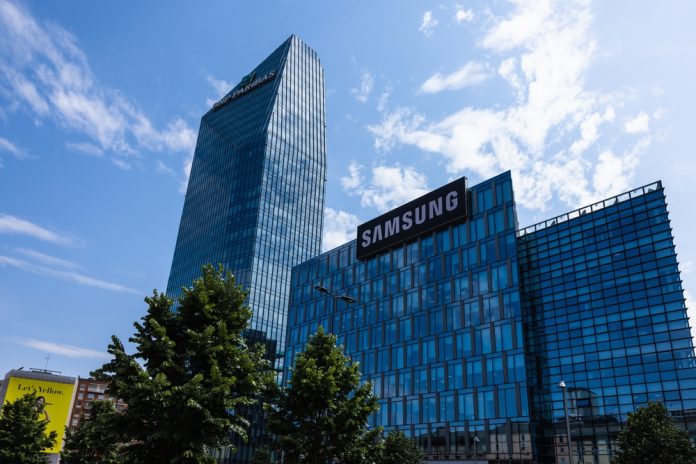
In a further bid to innovate, Samsung is slated to reveal an upgraded AI at the upcoming Galaxy Unpacked event? Featuring prominently in a recent trailer, this iteration of Samsung’s Bixby assistant promises capabilities beyond its current limitations? The anticipation centers around how seamlessly this evolved Bixby will integrate into everyday routines, aiding in everything from meeting scheduling to dining reservations?
Apple and Google in the Race
Alongside Samsung’s developments, Apple is also contributing to the conversation with anticipated updates to its virtual assistant, Siri? Expected soon, these updates will enhance Siri’s contextual awareness, letting it interact more naturally with users’ activities on their devices? This aligns with similar advancements from Google, which has been progressively embedding its Gemini AI into various applications and devices, while also teasing its Jarvis AI’s internet-browsing capabilities?
Microsoft and Meta’s Distinct Paths
On a different trajectory, Microsoft and Meta focus on utilizing AI for business and social networking? Microsoft’s Copilot 365 aims to tackle challenging business issues, offering solutions tailored to organizational needs? Simultaneously, Meta is working on embedding AI-driven elements across social platforms, fostering autonomous interactions within digital communities?
The Case of Amazon’s Alexa
Conversely, Amazon seems to linger slightly behind in this evolutionary race? While the company has forged a partnership with Anthropic to enhance Alexa’s intelligence, there’s an observable delay in integrating these advancements? With competitors aggressively innovating, Amazon’s delayed response to upgrade Alexa could risk leaving it on the periphery of the AI-assisted conversation trend?
The next phase of AI in smartphones appears not only incredibly promising but also intensely competitive? As these tech giants forge ahead with their innovations, the impact is expected to redefine human-device interaction, blending seamlessly into everyday life and making our smartphones smarter than ever?