

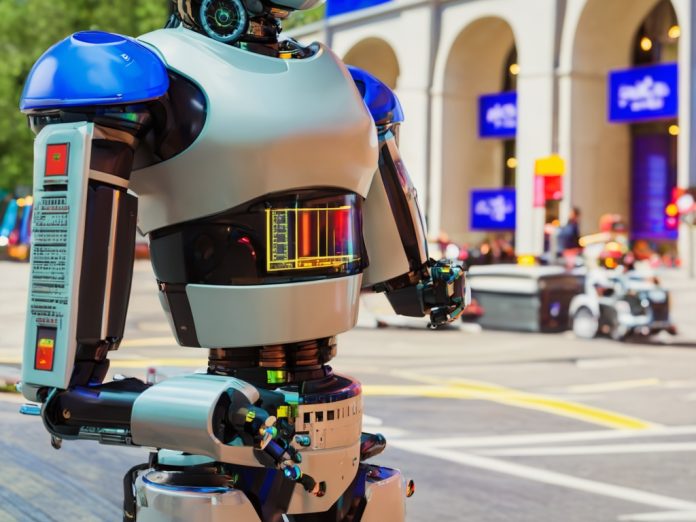

Humanoid robots are no longer confined to the realms of science fiction? They’re steadily becoming part of our everyday lives, ready to assist us in various ways�from helping with surgeries to aiding in customer service? With companies like Tesla planning to deploy thousands of Optimus robots by 2026, this once-distant future seems just around the corner?
Technological Progress and Showcasing Innovations
The Consumer Electronics Show (CES) 2025 highlighted the remarkable strides in robotics, showcasing innovations like Richtech Robotics’ bartender robot, ADAM, which combines sociability with functionality? Another standout was Tombot Inc?�s realistic robot puppy designed to comfort dementia patients, signifying a shift towards more emotionally intelligent machines?
Challenges in Achieving Human-like Capabilities
Notwithstanding these advancements, experts caution that fully human-like abilities remain a complex goal? AI luminaries like Yann LeCun point out that current limitations in planning, reasoning, and understanding the physical world prohibit robots from truly mimicking human intelligence?
Human-Robot Collaboration in the Workforce
Despite technical hurdles, companies are optimistic about humanoid robots becoming commonplace in the workplace? Major players like Agility Robotics and Figure AI, supported by tech giants such as Microsoft and Nvidia, are investing heavily in this future? Figure AI is already delivering its F?02 robots to commercial clients, signaling a shift towards increased robot-human collaboration?
Barriers to Overcome
For robots to be effective in unpredictable environments, they must quickly process visual data, recognize human cues, and adapt dynamically? Innovative solutions like Nvidia�s Cosmos aim to address these limitations by enhancing robots’ understanding of physics and space?
Balancing Innovation with Ethics
While technological marvels like Google DeepMind’s forthcoming AI models offer promising advances, ethical considerations remain vital? Transparent data practices are necessary to prevent instances where robots’ integrated cameras unintentionally invade privacy?
Envisioning a Robotic Future
As robots enter more public and personal spaces, societal readiness and acceptance are crucial? Trustworthiness will be enhanced by making robots appear more relatable, such as using human-like facial features to improve communication and empathy?
Over the next decade, we can expect humanoid robots to perform specialized roles initially, with broader applications emerging as technology and societal trust develop? These robots could alleviate labor shortages and enhance efficiency but also raise important discussions on privacy and job displacement? Navigating this transformative era will require not just technological progress but adaptive societal norms and policies?