

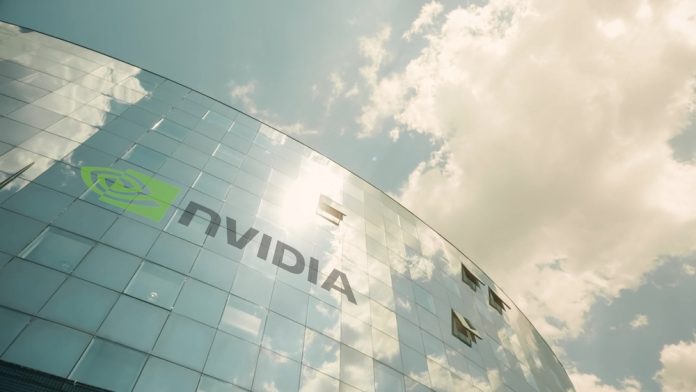

Nvidia, the semiconductor giant that powers much of the world’s artificial intelligence, is making a bold strategic shift that could reshape the entire AI landscape? While the company built its fortune on hardware�selling the GPUs that train and run large language models�it’s now aggressively expanding into open source software and models, positioning itself as a comprehensive AI ecosystem player rather than just a chip supplier?
The Open Source Push
This week, Nvidia announced two significant moves that signal its deepening commitment to open source AI? First, the company acquired SchedMD, the developer behind Slurm, a popular open source workload management system used in high-performance computing and AI clusters? Slurm, originally launched in 2002, manages complex computing tasks across server clusters and is currently deployed in more than half of the world’s top supercomputers? Nvidia plans to continue developing Slurm as vendor-neutral open source software while accelerating its integration with various systems?
Second, Nvidia released Nemotron 3, its third generation of open AI models, which the company claims represents “the most efficient family of open models” for building accurate AI agents? The Nemotron 3 family includes three variants: Nano for targeted tasks, Super for multi-agent applications, and Ultra for complex operations? According to Nvidia, the Nano model increases throughput by 4x and extends the context window to 1 million tokens while surpassing OpenAI’s GPT-OSS in accuracy and tokens per second?
Filling the Meta Void
Nvidia’s timing appears strategic? As Meta’s influence in open source AI wanes�with Llama models no longer appearing in the top 100 on LMSYS’s LMArena Leaderboard�Nvidia is positioning itself to fill the leadership vacuum? Kari Briski, Nvidia’s Vice President of Generative AI Software, stated: “With Nemotron 3, we are aiming to solve those problems of openness, efficiency, and intelligence?” The company released trillions of tokens of training data with Nemotron 3, addressing enterprise concerns about transparency and cost efficiency?
This shift comes as enterprise adoption of open source AI has declined from 19% to 11% according to Menlo Ventures, suggesting that businesses are becoming more selective about which open source initiatives they support? Nvidia’s comprehensive approach�combining hardware, software, and now models�could appeal to enterprises seeking integrated solutions?
The Hardware Foundation
Nvidia’s software ambitions are built on its hardware dominance, which remains formidable? The company is reportedly considering increasing production of its H200 graphics processing units to meet surging demand from Chinese companies following U?S? government approval to sell these advanced AI chips in China with a 25% cut of sales going to the U?S? government? Chinese companies like Alibaba and ByteDance are seeking large orders, though Chinese officials are still deciding whether to permit imports?
This hardware-software synergy is evident in products like the Minisforum MS-S1 Max, a compact workstation featuring AMD’s Ryzen AI Max+ 395 processor with 16 cores and 128GB of RAM? With system-wide computing power reaching up to 126 TOPS (trillions of operations per second), such devices demonstrate how specialized hardware enables local AI processing that was previously only possible in data centers?
Strategic Implications
Nvidia’s expansion into open source represents more than just product diversification�it’s a strategic move to control more of the AI value chain? By providing both the hardware and the software ecosystem, Nvidia reduces its dependence on third-party model developers while creating a more integrated offering for customers? This approach mirrors Apple’s strategy of controlling both hardware and software, but applied to the enterprise AI market?
The acquisition of SchedMD is particularly significant because workload management software like Slurm becomes increasingly critical as AI clusters grow larger and more complex? Efficient resource allocation can mean the difference between projects that complete on schedule and those that stall due to computational bottlenecks?
Competitive Landscape
Nvidia faces competition on multiple fronts? In hardware, companies like Huawei are developing domestic alternatives, though their 910C chips are manufactured by TSMC in Taiwan, and their next design, the 910D, will be produced in China with less advanced capabilities? Some Chinese AI companies, like DeepSeek, reportedly rely on smuggled Nvidia chips for model training, highlighting the ongoing demand for Nvidia’s technology despite geopolitical tensions?
In the open source model space, Nvidia competes not only with Meta but also with Chinese alternatives like Alibaba’s Qwen and Moonshot AI’s Kimi K2, as well as international players like Google, xAI, and Anthropic? However, Nvidia’s unique position as both a hardware provider and model developer gives it advantages in optimization and integration that pure software companies lack?
Looking Ahead
As AI continues to evolve from experimental technology to enterprise infrastructure, the battle for ecosystem control intensifies? Nvidia’s open source investments position the company to influence AI development standards, shape enterprise adoption patterns, and potentially capture more value from the AI boom it helped create? The question now is whether other hardware companies will follow suit or whether Nvidia’s integrated approach will become the new standard for AI infrastructure?
For businesses evaluating AI strategies, Nvidia’s moves suggest that the lines between hardware, software, and models are blurring? The most successful AI implementations may come from providers who can offer optimized combinations of all three�a trend that could reshape the competitive landscape for years to come?