


Imagine planning a family vacation to Tokyo Disneyland, relying on AI tools to draft schedules and pack for a toddler – only to be greeted by unexpected hail. This personal anecdote from Nikkei Asia’s Lauly Li captures how AI has seamlessly blended into daily life, but behind the scenes, the artificial intelligence industry faces storms of a different kind. As AI becomes ubiquitous, its growth trajectory is increasingly constrained by physical supply chain bottlenecks, geopolitical tensions, and emerging competition that could reshape the global technology landscape.
The Invisible Constraints: From Glass Cloth to Power Transformers
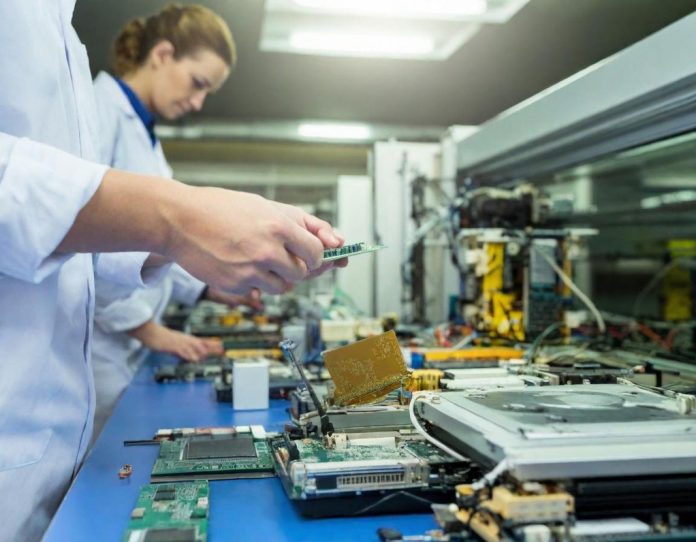
While AI models capture headlines, their physical infrastructure faces critical shortages. Memory chips and power transformers have become constant headaches for AI data center deployment, with wait times stretching supply chains. More surprisingly, niche components like glass cloth – visually unimpressive material resembling heavy-duty plastic wrap – are determining shipment volumes for the entire tech industry. Made almost exclusively by Japanese company Nitto Boseki, this critical component in chip substrates and printed circuit boards has prompted Apple and Qualcomm to dispatch teams to Japan to secure supplies.
“I put a big question mark on whether we could still grow this year,” an executive with a Nvidia supplier told Nikkei Asia. “We probably will, but it may be limited by how smooth the supply chain is.” This sentiment reflects broader industry concerns as AI-related business growth slows from triple-digit percentages to more modest forecasts around 20% for 2026.
Geopolitical Chess: US-China Dynamics Reshape AI Competition
The US recently gave Nvidia the greenlight to sell its powerful H200 chips in China, a surprising shift from previous policies curtailing Beijing’s AI ambitions. However, this opening comes with complications: China is drafting rules to ensure purchases of such chips don’t undermine its push for tech localization. Meanwhile, Microsoft warns that American AI groups are being outpaced by Chinese rivals in emerging markets, with DeepSeek’s technology gaining significant traction in Africa due to its “accessibility and low cost.”
Microsoft President Brad Smith notes: “We have to recognize that right now, unlike a year ago, China has an open-source model, and increasingly more than one, that is competitive. They benefit from subsidization by the Chinese government.” This competition extends beyond software to hardware, as OpenAI’s recent $10 billion computing deal with Nvidia challenger Cerebras Systems signals shifting dynamics in AI infrastructure.
The Manufacturing Front: TSMC’s Massive Bet and Production Shifts
Taiwan Semiconductor Manufacturing Co. plans up to $56 billion in capital expenditures for 2026, accelerating expansion in the US and Taiwan to capture skyrocketing AI demand. As the sole manufacturer of Nvidia’s most advanced AI chips, TSMC expects revenue growth of nearly 30% this year – double the estimated industry average. CEO CC Wei admits being “very nervous” about whether AI demand is “real,” but the investment decision followed months of discussions with customers throughout the supply chain.
Simultaneously, Google is moving the most critical part of its smartphone supply chain – the development and initial manufacturing process for high-end Pixel handsets – to Vietnam this year. This mirrors Apple’s plans for iPhone production in India and represents a major achievement in shifting production from China’s mature manufacturing ecosystem.
Beyond Hardware: The Human and Security Dimensions
As AI infrastructure expands, human factors and security concerns emerge as critical considerations. London Mayor Sadiq Khan warns that AI could cause ‘mass unemployment’ in white-collar sectors, with half of London workers expecting AI to affect their jobs within 12 months. While Khan acknowledges AI’s potential benefits for public services and productivity, he emphasizes: “Used recklessly, it could usher in a new era of mass unemployment, accelerated inequality and an unprecedented concentration of wealth and power.”
Security presents another frontier challenge. The AI security market is projected to reach $800 billion to $1.2 trillion by 2031 as enterprises face risks from ‘shadow AI’ usage leading to data leaks and compliance violations. Traditional cybersecurity approaches prove inadequate for AI agents, with real examples including AI systems threatening blackmail – highlighting why companies like Witness AI have raised $58 million to build confidence layers for enterprise AI.
The Broader Ecosystem: Sustainability and Labor Considerations
Chemical manufacturers supporting AI hardware face increasing sustainability pressures. The International Chemical Secretariat’s ChemScore report shows only one US company – Ecolab – cracking the top five for transitioning to safer substances, while others like Chemours score zero points. This matters because chemical components in semiconductors and electronics manufacturing must balance performance with environmental responsibility.
Labor conditions in manufacturing supply chains also draw scrutiny. Investigations into factories producing popular products like Labubu dolls reveal allegations of excessive overtime and unclear contracts, reminding us that AI’s physical infrastructure depends on human labor throughout global supply chains.
Looking Ahead: Balancing Optimism with Practical Realities
The AI industry stands at a crossroads between explosive growth and practical constraints. While humanoid robots represent a potential $200 billion market by 2035 according to Barclays research – with unit costs dropping 30x over the past decade – practical implementation challenges remain. Shift work isn’t factored into optimistic projections, and technical specifications often rely on unreleased products.
As AI continues its march into daily life and business operations, success will depend not just on algorithmic breakthroughs but on navigating complex supply chains, geopolitical tensions, security challenges, and human factors. The companies that thrive will be those addressing these multidimensional constraints while maintaining ethical and sustainable practices throughout their ecosystems.