

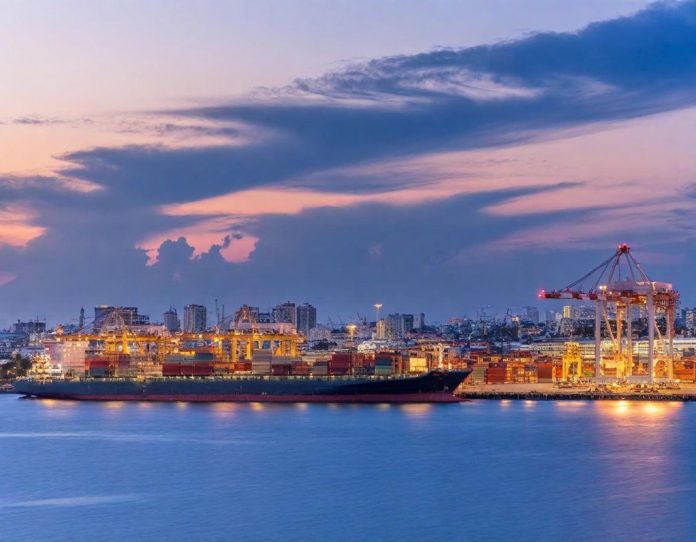

Imagine buying a new laptop this year and finding it costs hundreds more than expected. This isn’t just inflation – it’s the ripple effect of artificial intelligence demand colliding with geopolitical tensions, creating a perfect storm that’s reshaping technology economics from Taiwan’s chip factories to global shipping lanes.
The Memory Crunch That’s Changing Everything
While most attention focuses on cutting-edge AI chips, the real story might be in the older technology quietly powering our everyday devices. DDR2 and DDR3 memory chips – technologies first introduced in 2003 and 2007 – are experiencing unprecedented price surges. Contract prices have already doubled compared to last year, with no signs of slowing down.
“This is really the strongest memory supercycle I have ever seen,” says Ming-Chien Chang, chair of Elite Semiconductor Microelectronics Technology. “It reminds me of the last very robust one, in the 1990s, when personal computers began to really take off, but with AI, it seems it’s even stronger this time around.”
The shortages extend beyond just chips themselves. Chang notes shortages in chip production, substrates, and even probe cards for chip testing. This isn’t just about premium computers – it affects everything from routers to IP cameras that rely on these legacy technologies.
Geopolitical Shockwaves Through the Supply Chain
The Strait of Hormuz blockage has become more than just a shipping disruption – it’s a live stress test for Taiwan’s energy security. As an island economy, Taiwan relies heavily on imported energy, with Qatar supplying over 33% of its liquefied natural gas (LNG) imports and nearly 70% of oil coming from the Middle East.
Taiwan’s LNG reserves cover only about 11 days of demand, meaning any disruption could quickly affect the chip and broader tech supply chain. The current situation, according to consultancy BowerGroupAsia, represents a critical vulnerability for one of the world’s most important tech manufacturing hubs.
Meanwhile, GPS jamming in the Persian Gulf region has escalated dramatically, with over 1,650 ships registering falsified position data – a 55% increase from the previous week. This creates increased collision risks, especially at night or in poor visibility, as the Automatic Identification System becomes compromised.
The Investment Paradox: Record Funding Amid Uncertainty
Even as supply chains face unprecedented pressure, AI investment continues at staggering levels. Yann LeCun’s Advanced Machine Intelligence Labs recently raised $1.03 billion in Europe’s largest seed funding round, valuing the company at $3.5 billion before the investment.
“We think large language models, and generative AI in general, is not the right solution for understanding the real world,” says Alexandre LeBrun, CEO of AMI Labs. The company focuses on developing “world models” that understand physical environments through videos and spatial data, aiming for applications in robotics and transport.
This comes as AI companies attracted 48% of global venture fundraising in 2025, totaling $225 billion. The investment surge continues despite – or perhaps because of – the supply chain challenges, suggesting investors see long-term value beyond current disruptions.
The Smartphone Battlefield Shifts to AI
With global handset sales stagnating and hardware upgrades offering only marginal gains, manufacturers are betting that AI-powered assistants and search tools will become the deciding factor for consumers. Samsung’s consumer device chief, TM Roh, told the Financial Times the company is “open to strategic co-operation” with more AI groups, having recently added the Perplexity AI search engine to its mobile operating system.
“We got into the preparation earlier than others, [and] that is how we have taken and maintained leadership in mobile AI,” Roh said. This maneuvering highlights how AI is becoming the next front in the battle for smartphone users, with manufacturers racing to integrate multiple AI services rather than relying on single platforms.
The Business Reality: Higher Costs, Strategic Shifts
Major PC makers including HP, Dell, Lenovo, Asus and Acer have already raised prices or are planning further hikes. Apple increased the starting price of its most premium laptop by $400. Some pessimistic forecasts suggest unit shipments for both smartphones and laptops could decline by more than 12% this year due to ongoing shortages.
Industry executives say price increases are inevitable, as lowering specifications or component quality isn’t an option for high-end premium computers and handsets. “Otherwise, what’s the point of buying a premium product?” one executive questioned.
The situation creates a paradox for businesses: while AI promises efficiency gains and new capabilities, the infrastructure supporting it faces unprecedented cost pressures and supply constraints. Companies must now navigate not just technological adoption but complex global supply chain dynamics.
Looking Beyond the Current Crisis
The current situation represents more than just temporary disruption – it reveals fundamental vulnerabilities in how technology is produced and distributed. As AI continues to drive demand across the tech stack, from cutting-edge chips to legacy memory, the industry faces questions about resilience, diversification, and long-term sustainability.
For businesses, the implications extend beyond just higher device costs. Strategic decisions about AI adoption, supply chain management, and geographic diversification now carry greater weight. The companies that navigate this complex landscape successfully may gain significant competitive advantages, while those that don’t could face serious challenges.
The question isn’t whether AI will continue transforming business – it’s how companies will adapt to the new economic realities that come with that transformation. As supply chains stretch and geopolitical tensions create new vulnerabilities, the race isn’t just about technological innovation, but about building resilience in an increasingly interconnected and volatile world.