

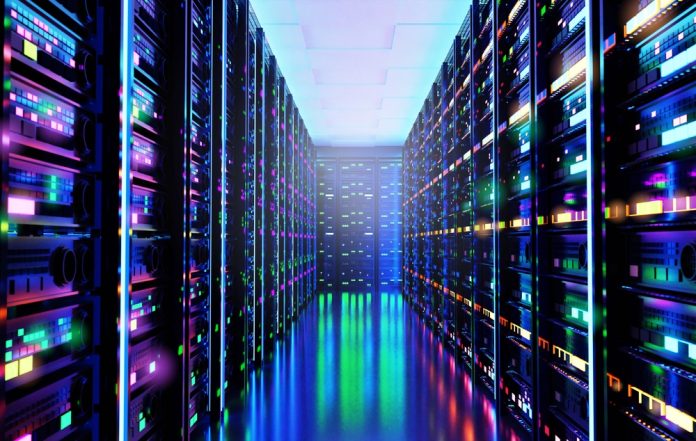

Imagine a single facility consuming enough electricity to power 300,000 homes? That’s the reality of Elon Musk’s Colossus data center in Memphis, which at one point relied on 35 methane gas turbines to fuel what xAI calls the world’s largest supercomputer? As artificial intelligence races forward, its voracious appetite for power is colliding with America’s clean energy ambitions, creating a complex dilemma that could define the nation’s economic and environmental future?
The Policy Pendulum Swings
In the final days of his presidency, Joe Biden issued an executive order requiring AI developers building on government lands to match their power needs with clean energy generation? “We will not let America be out-built when it comes to the technology that will define the future, nor should we sacrifice critical environmental standards,” he declared in January 2025? Within months, his successor Donald Trump revoked that order, calling renewable energy a “scam” and cutting Biden-era tax credits for wind and solar projects?
The Scale of the Challenge
Data centers are driving a seismic shift in America’s energy landscape? According to BloombergNEF, by 2035 data centers will account for 8?6% of all U?S? electricity demand, doubling their current 3?5% share? The International Energy Agency reports that 40% of data center electricity demand is currently met by natural gas, with renewables supplying just under a quarter? Nuclear and coal provide 20% and 15% respectively?
Why this reliance on fossil fuels? Brandon Michalski, principal economist at engineering firm MOCA Systems, explains the timing challenge: “Data centers need to be brought online very quickly? If they can do that while securing renewable energy commitments, they will, but ultimately, the stop-gap is going to be whatever’s on hand, like natural gas and coal?”
Corporate Commitments Meet Practical Realities
Major tech companies have made ambitious environmental pledges? Google aims to run its campuses on carbon-free power 24 hours per day by 2030, while Microsoft plans to be carbon negative by the same deadline? Amazon Web Services claims the title of largest corporate buyer of clean energy globally?
However, critics question whether these targets rely too heavily on renewable energy certificates (RECs)�financial instruments that allow companies to claim renewable energy use even when drawing power from the conventional grid? “Data centers will say they’re going green with respect to some of their power,” notes Advait Arun, senior associate for energy finance at the Center for Public Enterprise? “And that’s good if they bring renewables online, but renewable energy certificates are really only for their emissions accounting, whether it’s for the stock market or investors?”
The Global Context
While the U?S? struggles with its energy transition, the global picture reveals surprising trends? Renewable energy overtook coal as the world’s leading source of electricity in the first half of 2025, according to energy think tank Ember? Solar and wind growth met 100% of extra global electricity demand, with solar power alone delivering 83% of that growth? China added more solar and wind capacity than the rest of the world combined, while developing nations like Pakistan and countries across Africa saw solar panel imports surge?
Yet the U?S? story differs dramatically? The International Energy Agency has halved its forecast for American renewable capacity growth from 500GW to 250GW by 2030, citing the impact of Trump administration policies?
Innovation Under Pressure
Supply chain constraints may ironically push the industry toward cleaner solutions? Large manufacturers like Mitsubishi Power estimate that turbines ordered today might not arrive until 2030, while Siemens Energy reports a record $148 billion backlog?
Lauren Shwisberg of Rocky Mountain Institute’s carbon-free electricity practice sees opportunity in these challenges: “With the backlog, companies are less confident they can deliver a gas plant before the end of this decade? I’m optimistic that we will see a turn towards quicker to deploy and more affordable resources?”
Data centers are increasingly experimenting with on-site clean energy and demand flexibility�adjusting energy use when the grid is stressed or renewable power is abundant? In Ohio, regulators approved a 200 megawatt gas-fired plant for a Meta data center, while Microsoft and Brookfield Asset Management signed an agreement to develop over 10?5 gigawatts of clean energy across the U?S? and Europe?
The Economic Imperative
The stakes extend beyond environmental concerns? As data center capacity expands�OpenAI alone has signed $1 trillion in computing deals providing over 20 gigawatts of capacity�the energy infrastructure must keep pace without undermining climate goals or grid reliability?
The question isn’t whether AI will transform our economy, but whether we can power that transformation sustainably? With data center electricity demand projected to double within a decade, America faces a critical test: Can it harness AI’s potential without sacrificing its environmental future? The answer may determine not just who leads the AI race, but what kind of planet that race leaves behind?