


Imagine a world where technological advancement creates billion-dollar acquisitions while simultaneously leaving pet owners choosing between feeding their animals or themselves? This isn’t a dystopian fiction�it’s the complex reality of artificial intelligence’s dual impact on modern society? As AI reshapes industries from semiconductor manufacturing to consumer technology, its effects ripple through both corporate boardrooms and household budgets, creating a landscape where innovation and inequality often walk hand in hand?
The Corporate Chessboard: Nvidia’s Strategic Moves
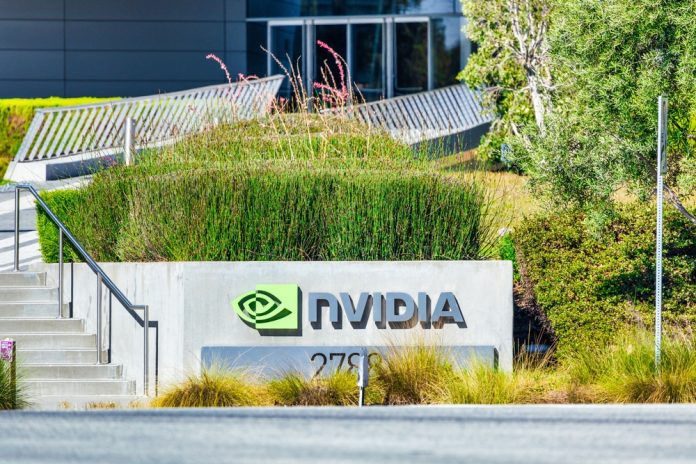
While most attention focuses on AI’s consumer applications, the real power struggles happen in the semiconductor industry? Nvidia, the $5 trillion chip giant, recently made strategic moves that reveal much about AI’s corporate landscape? According to Financial Times reports, Nvidia is acquiring top talent from AI chip startup Groq through a technology licensing deal announced on Christmas Eve? Key personnel including founder Jonathan Ross and president Sunny Madra will join Nvidia, while Groq will continue operating independently?
This move comes amid growing antitrust scrutiny of Big Tech acquisitions? As Bernstein Research analyst Stacy Rasgon noted, “Antitrust would seem to be the primary risk here, though structuring the deal as a non-exclusive licence may keep the fiction of competition alive?” Groq specializes in AI inference chips that claim to be up to 10 times more energy-efficient than Nvidia’s GPUs, representing both a competitive threat and valuable technology that Nvidia seeks to neutralize or absorb?
The Consumer Front: AI Assistants and Regulatory Battles
Meanwhile, at the consumer level, AI integration continues to advance in surprising ways? Waymo, Alphabet’s autonomous vehicle subsidiary, is testing Google’s Gemini AI chatbot as an in-car assistant in its robotaxis? Researcher Jane Manchun Wong discovered a 1,200+ line system prompt in Waymo’s mobile app code that defines how the AI assistant should behave�answering rider queries, managing climate control, and providing reassurance with clear, simple language?
This development occurs against a backdrop of increasing regulatory scrutiny? Italy’s data protection watchdog recently ordered Meta to suspend a WhatsApp policy that restricts users from employing rival AI chatbots? The regulator cited concerns over competition and user choice, arguing that the policy unfairly limits alternatives to Meta’s own AI offerings? This regulatory action highlights growing global concern about big tech’s control over AI platforms and their potential anti-competitive practices?
The Human Cost: When Technology Meets Economic Reality
While corporations battle for AI supremacy, ordinary people face more immediate concerns? In the UK, organizations like Animal Foodbank UK and West Bromwich Emergency Pet Pantry report increasing numbers of pet owners struggling to provide for their animals? These charities have donated over 150,000 meals to pets across England, Scotland, and Wales in just three years, with volunteers noting that some owners “would rather feed their pets than feed themselves?”
Louise Colledge of West Bromwich Emergency Pet Pantry explains, “We have had a lady who escaped domestic violence and had to leave with her two dogs and the children? We’ve supported her a bit extra, while getting back on her feet and sorting benefits out?” These stories reveal a stark contrast between AI’s corporate triumphs and its failure to address basic human needs?
The Innovation Paradox
What’s particularly striking is how AI development seems to operate in parallel universes? On one hand, we have Nvidia reaching unprecedented valuations while absorbing potential competitors? On the other, we have pet food banks expanding their operations because people can’t afford basic necessities? The connection isn’t direct, but it’s telling: technological advancement doesn’t automatically translate to improved quality of life for everyone?
Consider this: Groq was valued at $6?9 billion in September 2024 and raised $750 million in funding recently? Meanwhile, Animal Foodbank UK started with two �20 donations from its co-founders and now supports almost 6,000 pet owners? Both represent success stories in their respective domains, but they operate on vastly different scales and address fundamentally different needs?
The Regulatory Tightrope
Governments worldwide face the challenge of regulating AI development while fostering innovation? Italy’s action against Meta represents one approach�prioritizing competition and user choice? Meanwhile, the European Commission has launched its own investigation into Meta’s policies, suggesting this regulatory scrutiny will only intensify?
As AI becomes more integrated into daily life through assistants like Waymo’s Gemini integration or potential WhatsApp chatbots, the need for balanced regulation grows? Too much restriction could stifle innovation; too little could allow monopolistic practices that harm consumers and smaller competitors alike?
Looking Forward: A More Balanced AI Future
The current AI landscape presents both tremendous opportunities and significant challenges? Nvidia’s strategic moves show how established players can maintain dominance through talent acquisition and technology licensing? Waymo’s Gemini integration demonstrates AI’s potential to enhance everyday experiences? But the existence of pet food banks reminds us that technological progress doesn’t automatically solve social problems?
Perhaps the most important question isn’t how fast AI can advance, but how its benefits can be more widely distributed? As we marvel at AI’s corporate achievements and consumer applications, we must also consider how this technology can address more fundamental human needs? The true test of AI’s success won’t be measured in corporate valuations alone, but in whether it helps create a society where no one has to choose between feeding their pet or themselves?