

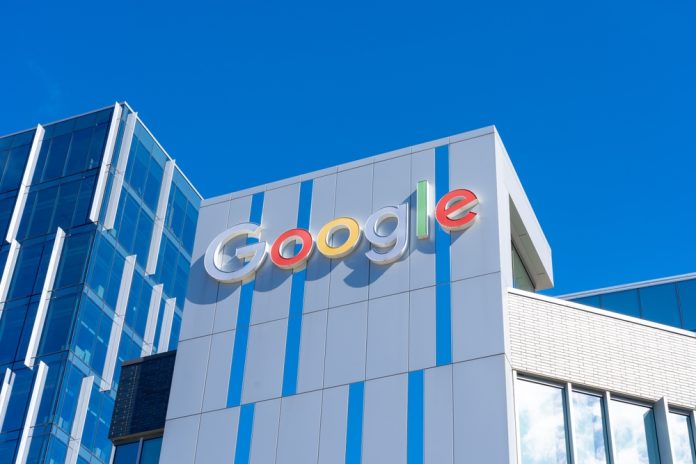

Imagine a world where you no longer click through search results, but instead get instant answers from an AI assistant? This shift, driven by generative AI, could dismantle the very foundation of the internet’s economy�the advertising model that has powered giants like Google and Meta for decades? Sir Tim Berners-Lee, inventor of the World Wide Web, issued this stark warning at the FT Future of AI Summit, suggesting that if large language models (LLMs) consume web content instead of humans, the ad-based revenue system might “fall apart?” But is this doomsday scenario inevitable, or are businesses already finding new paths to thrive?
The Ad Model Under Siege
Berners-Lee’s concern centers on a simple chain reaction: if AI reads web pages and summarizes them for users, who no longer visit the sites, then ads lose their audience? “Advertising relies on people actually reading web pages??? if they all assume that a human being is reading the webpage, but the LLM is reading it and the human is not, then we have a problem,” he explained? This isn’t just theoretical; Google’s introduction of “AI mode” in search, which provides conversational answers instead of traditional links, is already reducing traffic to publishers? For instance, People Inc?, a major media publisher, saw its traffic from Google Search plummet from 54% to 24% over two years due to AI Overviews, according to a TechCrunch report? Yet, Berners-Lee sees a silver lining, calling for a “reset button” on the internet to address intrusive ad targeting that has driven some users “crazy?”
Counterpoints: Resilience and New Opportunities
Despite these warnings, evidence suggests the ad model isn’t collapsing overnight? Alphabet, Google’s parent, posted a record $100 billion in quarterly revenue, with CEO Sundar Pichai highlighting growth in cloud computing? Similarly, Meta reported a 26% year-on-year revenue increase to $51?2 billion, though its stock dipped due to AI spending concerns? Mark Surman, president of Mozilla, added balance at the summit, noting that the ad-based model “is not going away anytime soon” and has a “long half-life?” He urged using this “crisis” to develop more privacy-respecting alternatives that enhance “user agency?” Meanwhile, businesses are pivoting: People Inc? forged an AI licensing deal with Microsoft, adopting a pay-per-use model where AI tools compensate publishers directly for content? CEO Neil Vogel emphasized that blocking AI crawlers has been “very effective” in driving negotiations, showing that adaptation, not collapse, is underway?
Broader Impacts on Jobs and Industries
The AI transformation extends beyond ads, reshaping how teams work and what skills matter? In software development, Facundo Giuliani of Storyblok told Heise that coding assistants are making pure programming less critical, while conceptual thinking and integration skills rise in importance? Teams are becoming cross-functional, organized around business challenges like improving onboarding conversion, rather than just code delivery? This shift doesn’t eliminate jobs but redefines them; entry-level roles may involve more complex, AI-supported tasks, potentially making tech more accessible to career-changers? However, a study by Scale AI and the Center for AI Safety, covered by ZDNet, tempers fears of mass automation: top AI agents like Gemini 2?5 Pro and GPT-5 automate less than 3% of freelance tasks, failing to match human quality in areas like graphic design or client communication? This “stark gap” underscores that human judgment remains irreplaceable for now?
Financial Realities and Future Outlook
As companies invest heavily in AI, financial risks emerge? Reuters identified five debt hotspots in AI data center expansions, where over-leveraging could lead to crises, reflecting investor concerns about unsustainable spending? On November 5, tech shares fell globally due to “AI bubble” fears, with Nvidia dropping nearly 4% after hitting a $5 trillion valuation, according to the BBC? Yet, success stories abound: Shopify reported AI traffic to its stores surged sevenfold since January, with AI-driven orders up 11 times, demonstrating how AI can drive commerce when integrated thoughtfully? President Harley Finkelstein called AI “central to our engine,” highlighting partnerships with Perplexity and Microsoft Copilot for in-chat shopping? Legal disputes, like Amazon’s cease-and-desist to Perplexity over agentic browsing, show the growing pains of this transition, but they also signal a maturing ecosystem where rules are being tested?
Navigating the Crossroads
Berners-Lee’s warning serves as a wake-up call, but the full picture is one of evolution, not apocalypse? While the ad model faces pressure, businesses are innovating with licensing deals, AI-driven revenue streams, and redefined work practices? The key takeaway? AI is transforming the web’s economy, but human adaptability and strategic pivots can turn threats into opportunities? As John Bruce of Inrupt noted, large brands see an “existential” moment, but those who embrace change may find themselves ahead in the new digital landscape?