

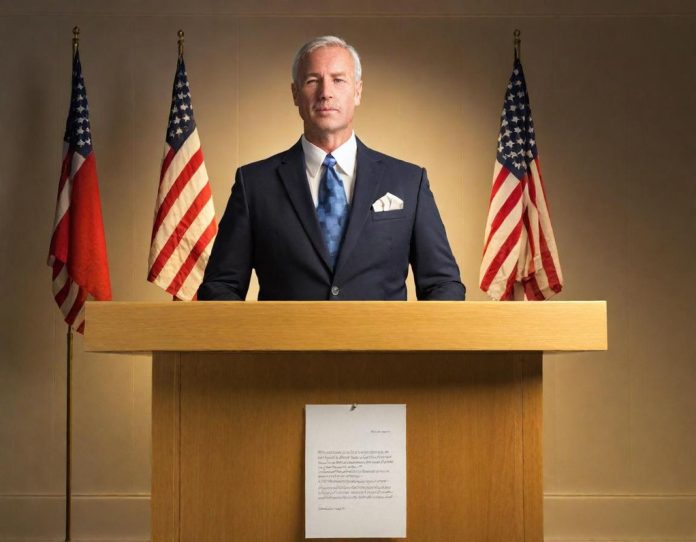

In a move that could reshape the artificial intelligence landscape, California Governor Gavin Newsom has signed SB 53 into law, establishing the nation’s first comprehensive AI safety framework? The legislation, which passed the state legislature two weeks ago, imposes unprecedented transparency requirements on major AI companies while creating new whistleblower protections and safety reporting mechanisms? But as California positions itself as a regulatory pioneer, the tech industry is pushing back hard, warning that state-level regulation could create a patchwork of rules that stifles innovation at precisely the wrong moment?
The New Regulatory Framework
SB 53 targets large AI labs�including OpenAI, Anthropic, Meta, and Google DeepMind�requiring them to publicly disclose their safety protocols and establish clear channels for reporting potential critical safety incidents? The bill creates a mechanism for both companies and the public to report safety concerns directly to California’s Office of Emergency Services, covering everything from cyberattacks conducted without human oversight to deceptive AI behavior that falls outside existing European regulations? What makes this legislation particularly significant is its timing: it arrives as AI capabilities are advancing at breakneck speed, with companies like Anthropic just releasing their Claude Sonnet 4?5 model, which the company claims is the “most aligned” frontier model yet with enhanced safety protections?
Industry Reactions and Political Pushback
The response from Silicon Valley has been sharply divided? While Anthropic endorsed the bill, Meta and OpenAI actively lobbied against it, with OpenAI publishing an open letter urging Governor Newsom to veto the legislation? This opposition isn’t happening in a vacuum�Meta has launched a new lobbying team called the American Technology Excellence Project, funded with tens of millions of dollars to counter AI regulation across the United States? The timing is no coincidence: over 1,000 AI regulatory proposals have been introduced at the state level this year alone, creating exactly the “patchwork of regulation” that tech companies fear?
The Global Context
California’s move comes amid intensifying global competition in AI development? While U?S? companies dominate the field, China is accelerating its own AI ambitions through what’s being called the “Stargate of China” initiative�a coordinated build-out of AI data centers in Wuhu with substantial government subsidies? The U?S? currently holds roughly 75% of global AI compute capacity compared to China’s 15%, but Beijing’s aggressive investment strategy suggests this gap could narrow? Meanwhile, Chinese AI lab DeepSeek recently revealed it trained its R1 model for just $249,000, a fraction of the estimated $100 million cost for OpenAI’s GPT-4, raising questions about whether massive spending is necessary for AI advancement?
Blueprint for National Regulation
SB 53 represents more than just state-level policy�it’s being described as a “blueprint for AI safety regulation” that could influence national standards? The legislation passed after its predecessor SB 1047 was vetoed last year due to tech industry opposition, showing how political dynamics have shifted? As Adam Billen, Vice President of Public Policy at Encode AI, noted in discussing the law’s implications, “This new framework establishes transparency without liability, creating a model that other states are likely to emulate?” The approach focuses on requiring disclosure and adherence to safety protocols rather than imposing direct legal consequences, potentially making it more palatable to industry while still advancing safety objectives?
Practical Implications for Businesses
For companies operating in California, SB 53 means new compliance burdens but also clearer safety standards? The legislation requires reporting of incidents related to crimes committed without human oversight and deceptive model behavior, areas not covered by the EU AI Act? This could force companies to invest more in safety testing and documentation, potentially slowing deployment timelines? However, supporters argue that these requirements will build public trust and prevent catastrophic failures that could damage the entire industry? As State Senator Scott Wiener, the bill’s author, noted after his previous attempt at AI regulation was vetoed last year, “We’ve been able to help elevate this issue of AI safety, not just in California, but in the national and international discourse?”
The Innovation vs? Safety Balance
The core tension here isn’t new, but it’s becoming more urgent? On one side, companies like Anything AI�a vibe coding startup that just raised $11 million at a $100 million valuation�are demonstrating how AI can dramatically accelerate software development? Their platform helps non-technical users build complete web and mobile applications, reaching $2 million in annualized revenue in just two weeks? On the other side, unregulated AI development carries real risks, from autonomous cyberattacks to biased decision-making? Governor Newsom seems to believe SB 53 strikes the right balance, stating that “California has proven that we can establish regulations to protect our communities while also ensuring that the growing AI industry continues to thrive?”
What Comes Next
Other states are already watching California closely? New York has passed similar legislation awaiting Governor Kathy Hochul’s signature, and more states are likely to follow? The federal government, meanwhile, has been slow to act, creating an opening for state-level initiatives? As AI continues to transform industries from recruiting�where startups like Alex are raising millions to automate initial job interviews�to software development, the regulatory landscape is becoming increasingly complex? California’s experiment with SB 53 will serve as a crucial test case for whether state-level AI regulation can work without hampering the innovation that makes American companies globally competitive?
Updated 2025-10-01 14:00 EDT: Added information about SB 53 being described as a ‘blueprint for AI safety regulation’ and context about the previous veto of SB 1047, along with expert commentary on the transparency without liability approach?
Updated 2025-10-01 14:02 EDT: No new sources were added as the provided sources were already integrated into the original article? The article was maintained without removal of any content, focusing on preserving its high news value by ensuring all existing newsworthy information from the sources remains intact?
Updated 2025-10-01 14:04 EDT: No new sources were provided in the request, so the article remains unchanged to preserve the original newsworthy content as instructed?