

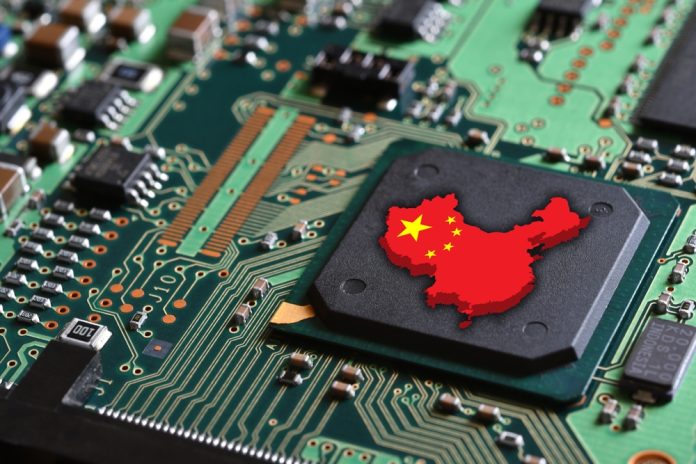

Imagine running a massive data center where electricity costs suddenly double overnight? That’s the reality facing Chinese tech giants like ByteDance, Alibaba, and Tencent after Beijing banned purchases of Nvidia’s AI chips? But there’s a twist: local governments are now offering power bill subsidies of up to 50% to companies using domestic semiconductors, creating a fascinating case study in how geopolitical tensions are reshaping global AI infrastructure?
The Power Play Behind China’s AI Ambitions
China has dramatically increased subsidies that cut energy bills by up to half for some of the country’s largest data centers, according to Financial Times reporting? This strategic move comes as Beijing intensifies efforts to boost its domestic chips industry and compete with the United States in the global AI race? The subsidies specifically target data centers powered by domestic chips from companies like Huawei and Cambricon, which face a significant efficiency gap compared to Nvidia’s offerings?
Electricity required to generate the same amount of compute power from current Chinese chips is about 30-50% higher than Nvidia’s H20 chips, according to experts? This efficiency gap has created a perfect storm for Chinese tech companies caught between geopolitical restrictions and practical business realities? Huawei, China’s leading chipmaker, has attempted to overcome weaker single-chip performance by combining chips into larger clusters, but this approach only adds to the operating electricity costs?
Global Context: The Infrastructure Arms Race
This isn’t just a Chinese story�it’s part of a global pattern where AI infrastructure costs are becoming a critical competitive factor? As KKR’s global head of digital infrastructure notes in a Financial Times analysis, AI-related capital expenditure now accounts for about 5% of US GDP and is growing by roughly 10% per year? The parallels to historical infrastructure booms like electrification and the dotcom era are striking, though the current AI infrastructure wave shows signs of being more sustainable?
The infrastructure challenge extends beyond China’s borders? Meta’s recent $25 billion bond sale to fund soaring AI infrastructure costs highlights how Western tech giants are also grappling with the enormous capital requirements of the AI boom? According to Financial Times reporting, large tech companies including Meta, Microsoft, and Alphabet are projected to invest $400 billion in AI infrastructure this year alone, with Meta’s capital expenditure potentially reaching $72 billion by year-end?
The Geopolitical Dimension
Former President Donald Trump’s recent statements that “China, other countries can’t have Nvidia’s top AI chips” underscore the ongoing technological cold war shaping these developments? These comments reflect persistent US export controls on advanced AI technology that have forced China to accelerate its domestic chip development? The situation creates a complex dynamic where both economic and national security considerations are driving investment decisions?
Meanwhile, power cost optimization has become a critical success factor globally? As analysis from KKR highlights, a 1 cent per kWh power price difference for a hyperscaler using 50MW annually equates to roughly $4?4 million per year�making China’s subsidy strategy particularly relevant in the current competitive landscape?
Practical Implications for Businesses
For companies navigating this landscape, the key is focusing on tangible benefits rather than getting caught in geopolitical posturing? As small business experts emphasize, the real value comes from identifying specific use cases where AI delivers measurable time savings or cost reductions? The approach should be gradual and experimental, starting with free tools before committing significant resources?
China’s energy-rich remote provinces such as Gansu, Guizhou, and Inner Mongolia have become hotspots for data center clusters, with unit costs of industrial electricity about 30% cheaper than more developed coastal areas? With the new subsidies, rates could drop to about 0?4 yuan (5?6 cents) per kWh, compared to the average US industrial electricity cost of about 9?1 cents per kWh?
The Long Game in AI Infrastructure
What makes this story particularly compelling is how it reflects broader trends in AI infrastructure investment? As one infrastructure expert notes, “Data center headlines or ‘bragawatts’ aren’t the point; delivery is?” The focus should be on practical implementation and sustainable business models rather than mere capacity numbers?
China’s centralized grid network provides cheaper and greener electricity than the fragmented US grid system, giving Chinese companies an advantage despite the efficiency gap in domestic chips? This creates an interesting competitive dynamic where infrastructure advantages might eventually overcome technological disadvantages?
The question for global businesses watching these developments: How will the balance between technological superiority and infrastructure efficiency play out in the long run? The answer may determine not just which companies win the AI race, but which nations shape the future of artificial intelligence?