

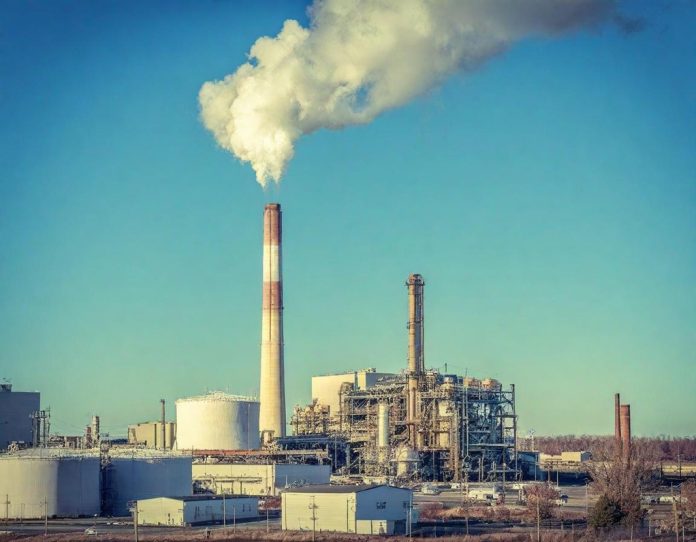

The U.S. Environmental Protection Agency’s move to revise a Biden-era air quality standard for fine particulate matter (PM 2.5) is igniting a fierce debate between manufacturing industries and health advocates, with artificial intelligence playing an unexpected role in the economic stakes. The rule, which lowered the annual limit from 12 to 9 micrograms per cubic meter of air in 2024, was intended to prevent thousands of premature deaths and yield billions in health benefits, but industry groups warn it could stifle factory construction and hurt the economy. As the EPA revisits this regulation under the Trump administration, the clash highlights a critical tension between environmental protection and industrial growth in an era where AI is reshaping infrastructure demands.
Manufacturing Pushback and Economic Concerns
Industry associations, including the National Association of Manufacturers and the Steel Manufacturers Association, argue that the stricter PM 2.5 standard is unachievable and threatens key sectors like cement, steel, and battery manufacturing. Brandon Farris, executive vice president of the Steel Manufacturers Association, emphasized that the standard punishes manufacturing, which accounts for only 12% of PM 2.5 pollution, while natural sources like wildfires dominate. The EPA estimated that most counties already meet the nine-microgram standard, but manufacturers project it could affect 40% of the U.S. population, complicating permits for new projects. This uncertainty has led companies to consider scaling back investments, with a 2025 report by the American Cement Association noting the U.S. will need 1 million metric tons of cement just for AI data centers, underscoring how tech growth intensifies regulatory pressures.
Health and Legal Counterarguments
Environmental groups, such as the Clean Air Task Force, dispute industry claims, pointing to Supreme Court rulings that prohibit the EPA from considering costs when setting air quality standards. Hayden Hashimoto, an attorney with the group, stated that reverting to the previous standard would fail to protect public health as required by the Clean Air Act. The EPA’s own analysis estimated the rule could prevent 4,500 premature deaths and 290,000 lost workdays, with benefits ranging from $22 billion to $46 billion. States like California have intervened to uphold the tighter limit, while 24 others joined industry challenges, creating a legal battleground that reflects broader national divides over environmental policy.
AI’s Role in Amplifying Regulatory Stakes
Beyond the immediate health and economic impacts, the PM 2.5 debate is intertwined with the rapid expansion of AI infrastructure. As highlighted in a companion source from Manufacturing Dive, manufacturers are increasingly using AI to bridge operational data with financial insights, but regulatory hurdles like air quality standards can disrupt this progress. The need for cement and steel to build data centers – expected to grow from 5,426 to 6,000 by 2027 – adds urgency to the manufacturing sector’s calls for regulatory relief. This connection shows how AI’s physical footprint is forcing a reevaluation of environmental rules, with implications for innovation and competitiveness.
Broader Implications for AI and Industry
The EPA’s reassessment of the PM 2.5 rule is part of a larger trend of regulatory rollbacks affecting vehicle emissions and other standards, which health advocates warn could lead to increased hospitalizations and deaths. Meanwhile, the AI sector’s growth, as seen in sources like the TechCrunch article on OpenAI’s enterprise push, demonstrates how tech companies are navigating their own regulatory and market challenges. For instance, OpenAI’s drop in enterprise market share from 50% to 27% by 2025 contrasts with Anthropic’s rise to 40%, highlighting competitive pressures that parallel manufacturing’s struggles. These dynamics suggest that both traditional and tech industries must balance innovation with compliance, as seen in the EPA’s shift away from monetizing health benefits in cost-benefit analyses.
Ultimately, the PM 2.5 controversy serves as a microcosm of larger debates over AI’s environmental and economic impacts. As manufacturers leverage AI for efficiency gains, they face regulatory constraints that could shape the future of U.S. infrastructure and public health. The outcome of this rulemaking will not only affect air quality but also set precedents for how emerging technologies intersect with longstanding environmental protections, making it a critical watchpoint for businesses and policymakers alike.