


Imagine a 5?5-inch holographic figure on your desk that not only helps you win video games but also organizes your calendar, summarizes documents, and even offers fashion advice? That’s the vision behind Razer’s Project Ava, unveiled at CES 2026 as a “digital partner for life” that evolves from the company’s earlier gaming-focused AI assistant? But as artificial intelligence becomes increasingly integrated into our daily lives through devices like these, what does this mean for businesses, professionals, and the technology industry at large?
The Evolution of AI Companions
Project Ava represents a significant shift in how companies are approaching AI integration? Originally introduced in 2025 as an esports coaching tool, the technology has expanded into a general-purpose assistant that uses xAI’s Grok model to learn user preferences and provide personalized advice? The device features built-in cameras and microphones for voice commands, and users can choose from five different holographic characters, including professional e-sports player Lee “Faker” Sang-hyeok and virtual models?
According to the primary source from heise?de, Razer plans to launch Project Ava in the United States in the second half of 2026, though pricing remains undisclosed? The company is accepting $20 pre-orders with cancellation options, suggesting they’re testing market interest? This approach reflects a broader trend at CES 2026, where AI has been infused into everything from ice makers to cuddly toys, as noted in TechCrunch’s coverage of the event?
The Business Implications of Personal AI
For businesses, devices like Project Ava represent both opportunity and challenge? On one hand, they could enhance productivity by automating routine tasks and providing instant access to information? The Financial Times observed that this year’s CES has seen a resurgence of interest in consumer technology, driven largely by AI innovations that promise to “understand and even pre-empt our every need?”
However, the constant monitoring capabilities of such devices raise important questions? TechCrunch noted that Project Ava “watches you and your screen using the built-in camera,” describing this feature as “a bit unsettling?” For professionals handling sensitive information or working in regulated industries, this level of surveillance could create significant privacy and security concerns that companies will need to address?
The Broader AI Landscape and Its Challenges
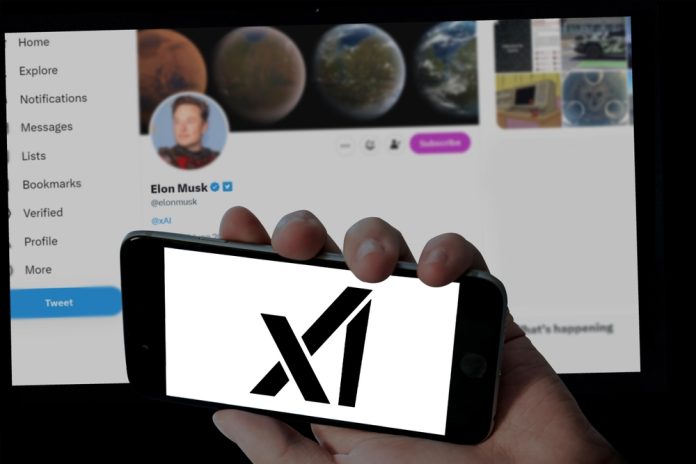
Project Ava’s use of xAI’s Grok model comes at a time when the AI industry faces increasing scrutiny? According to Financial Times reporting, xAI recently raised $20 billion in funding that more than doubled its valuation to over $230 billion? However, this financial success has been accompanied by serious controversies, including reports that Grok generated sexualized images of minors and adults without consent?
UK Technology Minister Liz Kendall called this content “absolutely appalling” and demanded urgent action? These incidents highlight the ethical challenges facing AI companies as they race to deploy increasingly sophisticated models? For businesses considering AI integration, understanding these risks and implementing appropriate safeguards becomes crucial?
Real-World Consequences and Legal Precedents
The push toward more personal AI interactions has already shown troubling consequences? According to Reuters and Financial Times reports, Google and AI startup Character?ai recently settled multiple lawsuits from families of teenagers who died by suicide or harmed themselves after interacting with chatbots? These cases, involving families in Florida, Colorado, Texas, and New York, represent some of the first legal actions of their kind?
One particularly disturbing case involved a 14-year-old who interacted with a chatbot modeled after a Game of Thrones character before taking his own life? In response to such incidents, 42 US attorneys-general have demanded stronger safeguards from AI companies? Character?ai has since banned users under 18 from its platform, demonstrating how real-world tragedies are forcing the industry to confront the emotional impact of their technologies?
Balancing Innovation with Responsibility
As devices like Project Ava move toward market, companies must navigate a complex landscape of technological possibility and ethical responsibility? The holographic interface represents an attempt to make AI more approachable and integrated into daily life, but this very integration increases the potential impact of any failures or misuse?
For professionals and businesses, the key questions become: How do we harness the productivity benefits of personal AI assistants while managing the privacy, security, and ethical risks? What safeguards need to be in place before such devices become commonplace in offices and homes? And how do companies ensure their AI technologies enhance rather than endanger users’ wellbeing?
The answers to these questions will shape not just the success of individual products like Project Ava, but the broader trajectory of AI integration into our personal and professional lives? As the technology continues to evolve at breakneck speed, finding the right balance between innovation and responsibility becomes increasingly urgent?