

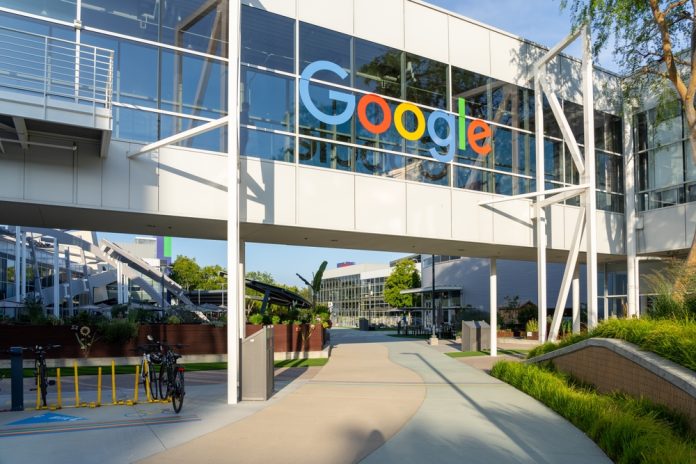

Imagine being able to transform a casual selfie into a professional headshot or remove unwanted objects from a cherished family photo with just a simple voice command? This is no longer science fiction�Google’s Nano Banana AI model is now rolling out in Google Photos, bringing sophisticated image editing capabilities to millions of users worldwide? But as AI becomes increasingly integrated into our daily lives, a looming energy crisis threatens to stall this technological progress, creating a fascinating tension between innovation and infrastructure limitations?
The Nano Banana Revolution
Google’s Nano Banana represents a significant leap forward in AI-powered image editing? Unlike previous models that often produced artificial-looking results, Nano Banana maintains subject likeness while making complex edits? The model powers three key features in Google Photos: Help Me Edit for targeted adjustments using natural language, Create with AI templates for instant transformations, and a new Ask button for contextual editing and information retrieval?
What makes Nano Banana particularly impressive is its ability to access private face groups, allowing users to reference people by name in their editing commands? For example, saying “Remove Riley’s sunglasses” will automatically identify and edit the correct person in the photo? This level of personalization demonstrates how AI is becoming more intuitive and user-friendly, moving beyond simple filters to genuine creative partnerships?
The Broader AI Landscape
While consumer-facing AI applications like Nano Banana capture public attention, the real transformation is happening behind the scenes in enterprise environments? Startup Scribe recently achieved a $1?3 billion valuation by solving a fundamental business problem: identifying where AI can actually deliver returns? Their platform automatically documents workflows, saving companies 35-42 hours per person monthly and making new hires 40% faster?
Jennifer Smith, Scribe’s CEO, explains the core challenge: “Without really knowing how work is done, it is really hard to know where to improve it, where to automate it, where agents can help?” This sentiment echoes across industries as businesses struggle to implement AI effectively rather than just chasing the latest trends?
The Energy Bottleneck
Just as AI capabilities expand, a critical constraint emerges: energy? According to analysis from The Financial Times and MIT Technology Review, the biggest barrier to AI progress is no longer funding or technical expertise�it’s power? The United States faces an energy crunch that could severely limit AI development, with massive data centers waiting to come online amid insufficient power supply and aging infrastructure?
The numbers are staggering? China installed 429GW of new power generation capacity in 2024�over six times the net capacity added in the US during the same period? Meanwhile, US coal-fired power plants generate electricity just 42% of the time, compared with 61% in 2014? This energy gap threatens America’s technological leadership at the very moment AI promises to transform every industry?
Practical Solutions and Trade-offs
Research suggests that relatively minor adjustments could yield significant benefits? A Duke University study found that if data centers curtailed consumption just 0?25% of the time (about 22 hours per year), the grid could support 76GW of new demand�equivalent to 5% of the entire grid’s capacity? This points toward a future where AI infrastructure must become more flexible and responsive to grid conditions?
Casey Crownhart, MIT Technology Review’s senior climate reporter, summarizes the situation: “In the age of AI, the biggest barrier to progress isn’t money but energy?” This reality forces tech companies to balance innovation with sustainability, creating new business models and operational approaches?
What This Means for Businesses
For companies considering AI implementation, the energy constraints add a crucial dimension to planning? While tools like Google’s Nano Banana demonstrate AI’s potential to enhance customer experiences and streamline operations, the underlying infrastructure requirements cannot be ignored? Businesses must consider not just what AI can do, but whether the necessary energy resources will be available to support their ambitions?
The contrast between consumer AI applications and enterprise needs highlights the technology’s dual nature? On one hand, AI makes everyday tasks like photo editing more accessible and intuitive? On the other, it demands massive computational resources that strain existing energy systems? This tension will define AI development in the coming years, forcing innovators to balance capability with sustainability?
As Pilita Clark, FT columnist and former environment correspondent, argues: “Data centres that can cut their power use at times of grid stress should be the norm, not the exception?” This perspective suggests that the most successful AI companies will be those that optimize not just for performance, but for efficiency and grid compatibility?