

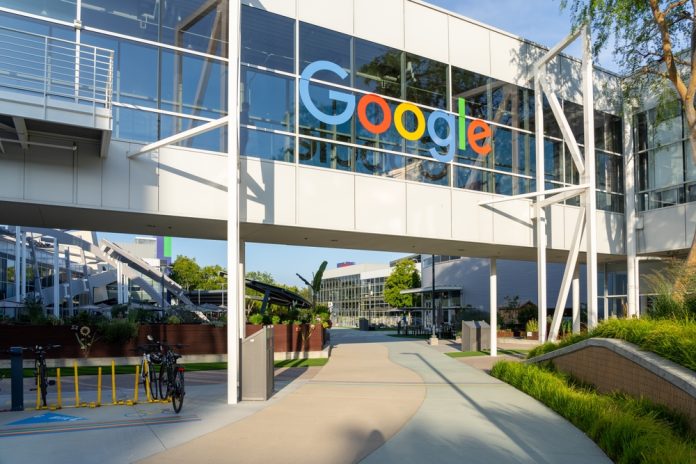

In a move that reads like a geopolitical thriller, Google is quietly building a massive AI data center on Christmas Island�a remote Australian territory better known for its annual invasion of 100 million red crabs than for cutting-edge technology? This secretive project, revealed through Reuters reporting, positions advanced AI infrastructure just 220 miles south of Indonesia in waters crucial for monitoring Chinese naval movements? But beneath the surface of this strategic play lies a complex story about the escalating AI arms race, massive corporate spending, and the delicate balance between technological ambition and environmental reality?
The Strategic Chessboard
Christmas Island isn’t just another tropical paradise? Military strategists describe it as a “forward defense position” for launching uncrewed weapons systems and monitoring key waterways like the Sunda, Lombok, and Malacca straits? Bryan Clark, a former US Navy strategist who ran war games featuring the island, told Reuters this facility would enable “AI-powered military command and control” functions essential for future conflicts? The timing is significant�this follows Google’s three-year cloud agreement with Australia’s military signed in July 2025, though both Google and Australia’s Department of Defense have declined to comment on the project’s specifics?
The $80 Billion AI Spending Spree
Google’s Christmas Island venture isn’t happening in isolation? According to Financial Times analysis, Google, Meta, and Microsoft collectively spent nearly $80 billion on AI infrastructure in the past quarter alone? Alphabet increased its 2025 capital expenditure plans to $93 billion while delivering record $100 billion quarterly revenue? But investor reactions have been sharply divided�Meta’s stock plunged 12?6% amid concerns about aggressive AI spending, while Google’s shares rose 3%? As Dec Mullarkey of SLC Management warned, “Investors are worried that the rush to grab market leadership may cause an overshoot? No one needs reminding that history is full of episodes of technology exuberance that eventually left the early investors battered?”
Financing the AI Revolution
The money fueling this transformation is staggering? US companies have issued over $200 billion in bonds in 2024 specifically for AI infrastructure projects, with Meta selling $30 billion in bonds and Oracle issuing $18 billion in September? Goldman Sachs estimates AI-related issuance accounts for over a quarter of all net US corporate debt supply this year? Fraser Lundie of Aviva Investors notes this surge raises “important questions about concentration risk [and] capex sustainability,” while Gil Luria of DA Davidson warns that “if the markets end up investing hundreds of billions of debt in rapidly depreciating assets that may not have sufficient returns, the risk could become systemic?”
Economic Opportunities and Infrastructure Demands
Beyond military applications, the data center boom is creating significant economic ripple effects? The data center industry has seen over 50% employment growth from 2017-2023, contributing 4?7 million jobs according to Nvidia GTC conference insights? Electrical equipment manufacturers have invested $185 billion in data center upgrades since 2018, with the industry valued at $375 billion? As Josh Levi of the Data Center Coalition noted, everyday items from “thermostats, smart watches, blinds and dishwashers are now connected devices, requiring data storage to house the information the smart devices generate?”
The Environmental Balancing Act
Back on Christmas Island, the human residents�numbering fewer than 2,000�are cautiously optimistic? Christmas Island Shire President Steve Pereira told Reuters that “there is support for it, providing this data center actually does put back into the community with infrastructure, employment, and adding economic value to the island?” But the island’s most famous residents�the red crabs�present a unique challenge? Their annual migration, which Sir David Attenborough once described as one of his greatest TV moments, sees millions of crabs swarming across roads and beaches? Parks Australia notes that while the migration happens annually, few baby crabs survive most years, with successful migrations occurring only once or twice per decade�critical for maintaining the population?
The Global Context
Google’s move reflects broader trends in AI infrastructure localization? Just this month, Nvidia and Deutsche Telekom struck a �1 billion partnership to establish an ‘AI factory’ in Munich that aims to increase Germany’s AI computing power by 50%? This European initiative, separate from the EU’s �200 billion AI gigafactory program, addresses concerns about foreign infrastructure dependence while complying with German data sovereignty laws? As Tim H�ttges, CEO of Deutsche Telekom, stated, “Mechanical engineering and industry have made this country strong? But here, too, we are challenged? AI is a huge opportunity?”
What This Means for Business Leaders
The Christmas Island project represents more than just another data center�it signals how AI infrastructure is becoming strategically weaponized in geopolitical competition? For businesses, this underscores the need to understand how AI investments intersect with national security concerns, environmental considerations, and global supply chain dynamics? As manufacturing accelerates AI adoption�with 51% of manufacturers currently using AI and 60% planning to install it by 2027�the infrastructure supporting these systems becomes increasingly critical? The question isn’t whether AI will transform industries, but how the physical infrastructure supporting it will reshape global power dynamics and local communities?