

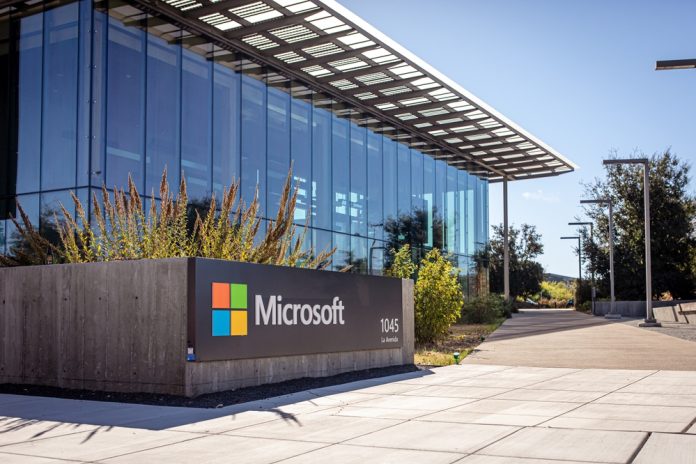

In a landmark deal that underscores the intensifying battle for AI supremacy, Microsoft and Nvidia are pouring up to $15 billion into Anthropic, the OpenAI rival founded by former OpenAI researchers? This massive investment comes as Anthropic commits to spending $30 billion on Microsoft’s Azure cloud services, creating a circular financial ecosystem where tech giants simultaneously invest in and profit from each other’s AI ambitions?
The Anatomy of a Mega-Deal
Microsoft is committing up to $5 billion while Nvidia invests up to $10 billion, valuing Anthropic at over $300 billion in what represents one of the largest private funding rounds in technology history? The timing is particularly strategic�coming just weeks after Google launched Gemini 3, its most capable foundation model yet, which achieved record scores on the Humanity’s Last Exam benchmark with 37?4 points, surpassing OpenAI’s GPT-5 Pro at 31?64?
What makes this investment particularly noteworthy is the intricate web of financial relationships? As CNBC tech correspondent Steve Kovach observed, “Anthropic will pay Microsoft to pay Nvidia so Microsoft and Nvidia can pay Anthropic?” This circular investment pattern raises questions about whether we’re witnessing genuine technological advancement or the early stages of an AI-driven financial bubble?
Strategic Diversification in Action
Microsoft CEO Satya Nadella emphasized the strategic nature of the partnership, stating, “We are increasingly going to be customers of each other�we will use Anthropic models, they will use our infrastructure, and we will go to market together?” This approach represents a significant shift from Microsoft’s previous strategy of heavy reliance on OpenAI, demonstrating that even the largest tech players are hedging their bets in the rapidly evolving AI landscape?
D?A? Davidson analyst Gil Luria noted the strategic wisdom behind this move: “Microsoft has decided not to rely on one frontier model company? Nvidia was also somewhat dependent on OpenAI’s success and is now helping generate broader demand?” The partnership includes collaboration on chips and models, with Anthropic committing up to 1 gigawatt of compute using Nvidia’s Grace Blackwell and Vera Rubin hardware?
Market Implications and Competitive Dynamics
The investment comes at a critical juncture in the AI arms race? Google’s Gemini 3 launch, with over 650 million monthly active users and 13 million developers already incorporating it into their workflows, demonstrates the massive scale at which these technologies are being deployed? Meanwhile, Anthropic’s run-rate revenue surged from $1 billion at the start of the year to $7 billion last month, following a $13 billion raise in September?
This deal highlights the growing consolidation among AI’s biggest players? Microsoft and Nvidia, both major backers of OpenAI, are now strategically aligned with one of OpenAI’s primary competitors? The arrangement gives Microsoft access to multiple frontier AI models while ensuring Nvidia’s chips remain central to the AI infrastructure ecosystem?
Computing Capacity: The New Currency
The sheer scale of computing power involved in these deals is staggering? Each gigawatt of AI computing capacity costs approximately $50 billion, putting the $30 billion commitment from Anthropic into perspective? For context, OpenAI has secured deals worth about $1?5 trillion for chips and computing capacity, indicating that access to computational resources has become as crucial as the algorithms themselves?
Google’s simultaneous launch of Antigravity, a Gemini-powered coding interface with multi-pane agentic coding features, shows that the competition extends beyond raw computing power to developer tools and workflow integration? As DeepMind CTO Koray Kavukcuoglu explained about their new coding assistant, “The agent can work with your editor, across your terminal, across your browser to make sure that it helps you build that application in the best way possible?”
Balancing Innovation and Market Realities
While the financial figures are eye-popping, the real question for businesses and investors is whether these investments represent sustainable growth or speculative excess? The circular nature of the investments�where companies essentially invest in themselves through partners�creates a complex financial ecosystem that could either drive unprecedented innovation or lead to significant market corrections?
The timing of these developments, with multiple major AI announcements occurring within weeks of each other, suggests we’re approaching an inflection point in AI adoption? As Tulsee Doshi, Google’s head of product for the Gemini model, noted about their latest release: “With Gemini 3, we’re seeing this massive jump in reasoning? It’s responding with a level of depth and nuance that we haven’t seen before?”
For enterprises evaluating AI strategies, the message is clear: the landscape is rapidly consolidating around a few major players, and the cost of entry�both in terms of financial investment and computing resources�is becoming increasingly prohibitive for newcomers?