

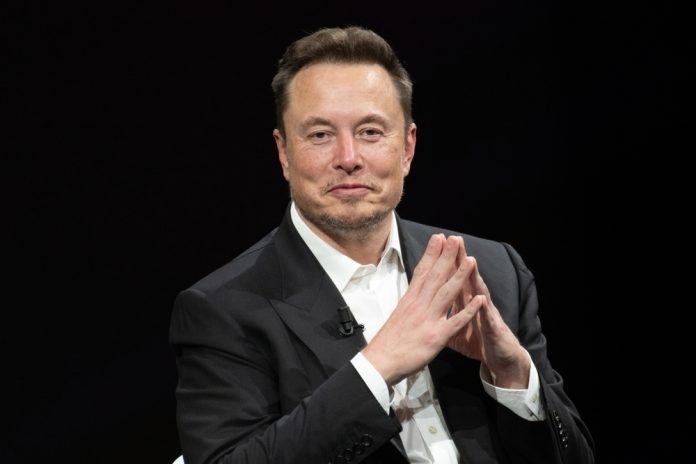

Elon Musk’s announcement that SpaceX will acquire his AI startup xAI has sparked intense debate about the future of artificial intelligence infrastructure. Musk claims that “the lowest cost way to generate AI compute will be in space” within three years, arguing that terrestrial energy solutions cannot meet AI’s growing demands. But as regulators intensify scrutiny and industry experts question feasibility, this bold vision faces significant earthly challenges.
The Space AI Ambition
Musk’s justification for the SpaceX-xAI merger centers on energy constraints. In a blog post, he stated that “global electricity demand for AI cannot be met with ‘terrestrial solutions,’ and Silicon Valley will soon need to build data centers in space to power its AI ambitions.” This creates what Musk claims will be the world’s most valuable company, combining space technology with AI development.
The vision extends to creating what Musk describes as a “sentient sun” composed of a million satellites, designed to address AI’s massive energy demands through space-based infrastructure. But how realistic is this three-year timeline, and what does it mean for businesses investing in AI today?
Regulatory Headwinds Intensify
Even as Musk outlines his space ambitions, his existing AI operations face mounting regulatory pressure. French and European investigators raided X’s Paris offices on Tuesday following public outcry over how its Grok chatbot spread sexualized images of women and children. The Paris prosecutor’s office expanded its yearlong probe to include allegations that Grok disseminated Holocaust-denial claims and sexually explicit deepfakes.
French prosecutors summoned Musk and former X CEO Linda Yaccarino for voluntary interviews in April as part of a widening investigation into the platform’s algorithms and AI-generated sexual abuse material. The UK’s Information Commissioner’s Office launched a new investigation into X and xAI over concerns about Grok’s use of personal data and potential to produce harmful content.
“The reported creation and circulation of such content raises serious concerns under UK data protection law and presents a risk of significant potential harm to the public,” stated the Information Commissioner’s Office. The EU has opened its own formal investigation into xAI under the Digital Services Act, while Malaysia and Indonesia temporarily banned Grok before lifting restrictions.
Industry Skepticism and Practical Challenges
Beyond regulatory hurdles, Musk’s space AI timeline faces skepticism from industry experts who question its technical and economic feasibility. The concept of building data centers in space within three years encounters practical obstacles including launch costs, maintenance challenges, and energy transmission issues that current technology hasn’t solved.
Meanwhile, tensions within the AI hardware sector highlight the competitive landscape Musk’s vision must navigate. OpenAI has reportedly been seeking alternatives to Nvidia’s inference accelerators due to dissatisfaction with their performance, particularly regarding memory integration. OpenAI has secured deals with AMD and Cerebras for inference hardware, and negotiations with Groq were preempted by Nvidia’s licensing agreement with Groq.
Nvidia CEO Jensen Huang addressed rumors about a $100 billion agreement with OpenAI, dismissing it as non-binding. “He would like to invest a lot of money in OpenAI as part of an investment round, but ‘nothing like’ $100 billion,” Huang stated. This friction has impacted Nvidia’s stock performance, which has stagnated while other semiconductor companies saw gains.
Business Implications and Strategic Questions
For businesses planning AI investments, Musk’s space vision raises critical questions about infrastructure strategy. Should companies wait for potential space-based solutions, or double down on terrestrial data center investments? The three-year timeline seems optimistic given current regulatory and technical challenges.
The regulatory actions against X and xAI also signal increasing scrutiny of AI content generation and data practices. Companies developing AI tools must consider not just technical capabilities but also compliance frameworks, especially as international regulators coordinate investigations.
OpenAI CEO Sam Altman offered a more measured perspective on industry partnerships: “We love working with Nvidia, they make the best AI chips in the world. We hope to remain a huge customer for a long time. I don’t understand where all this madness is coming from.” This contrast highlights different approaches to AI infrastructure development – incremental improvement versus radical reinvention.
The Path Forward
As Musk faces questioning from French authorities in April and continues to promote his space AI vision, the industry watches closely. The success of this ambitious project depends not just on technological breakthroughs but on navigating complex regulatory environments and convincing skeptical investors and partners.
For now, businesses should approach space-based AI solutions with cautious optimism while focusing on terrestrial infrastructure that can deliver reliable results. The coming months will reveal whether Musk’s vision represents the future of AI compute or remains science fiction in a world governed by earthly realities.