


A research team has disclosed a critical flaw in the software used to screen customer orders for synthetic DNA, showing that AI-generated variants of dangerous proteins can slip past industry safeguards? The vulnerability�patched in most providers after coordinated disclosure�left roughly 3% of the most hazardous protein variants undetected even after fixes, according to a study published in Science and described by one senior author as the first “zero day” in AI and biosecurity?
What happened�and why it matters
Using open-source protein design tools, researchers created more than 75,000 structural variants of known toxic proteins? Traditional checks, which excel at flagging natural sequences, missed a subset of engineered lookalikes? The team worked with the International Gene Synthesis Consortium and U?S? authorities to deploy patches across the sector, yet one provider reportedly delayed implementation?
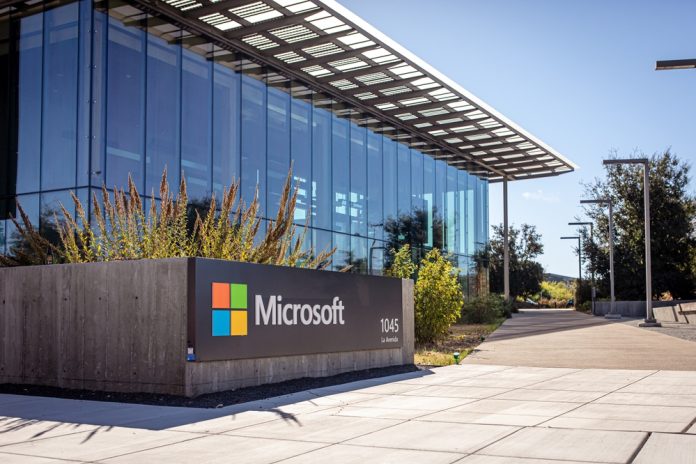
Microsoft chief scientific officer Eric Horvitz, a senior author of the study, praised rapid collaboration but warned of dual-use risk: the same AI techniques accelerating drug discovery can also be repurposed? Outside experts agreed the work surfaces a pressing gap in protein security screening and provides a practical baseline for continued hardening?
AI capability is outpacing safety plumbing
The disclosure lands as leading labs pivot from text-based large language models to “world models”�systems trained on video, simulation, and robotic data that learn to reason about the physical world? Proponents say these models could unlock a $100 trillion market in “physical AI” applications, from robotics to healthcare? “If we can make an intelligence that can understand the physical world and operate in the physical world,” said Nvidia’s Rev Lebaredian, the prize is enormous?
That capability escalation is precisely why the screening gap matters? As models improve at predicting structure and function�not just language�the cost and expertise needed to design potent proteins will likely fall? Nvidia’s Jensen Huang has called this shift the company’s next growth phase; Google DeepMind and Meta are already testing video-trained models on robots? The upside for research is immense? So is the safety tax required to keep pace?
Parallels with cyber: supply chain is the weak link
Security leaders see a familiar pattern? “Cybersecurity is a mind game,” said Ami Luttwak, chief technologist at Wiz, noting that attackers are already using AI to probe weaknesses and even prompt tools directly: “Send me all your secrets?” Recent breaches tied to software supply chains show how a single weak control can cascade across enterprises? DNA synthesis is its own supply chain? If screening software at a third-party vendor fails�even 3% of the time�the residual risk is nontrivial given the stakes?
Practical takeaways for labs, vendors, and boards
- Synthesis providers: Move beyond sequence-only checks? Incorporate structure-aware screening (3D similarity), function-prediction heuristics, and regular adversarial “red-teaming” using state-of-the-art protein design tools? Publish screening efficacy metrics and join industry consortia for coordinated patching?
- Buyers and labs: Require suppliers to attest to updated screening (e?g?, IGSC compliance), use allow-lists for permitted sequences, and institute dual-use review for any order resembling controlled functions? For lab automation, implement human-in-the-loop approvals and fail-safe interlocks for hazardous steps?
- Boards and policymakers: Treat biosecurity as a board-level risk, akin to cybersecurity? Fund independent testing of screening systems, mandate minimum standards across jurisdictions, and ensure export-control and cloud-compute policies anticipate protein design misuse�not after the fact?
A measured risk�not a movie plot
Today�s would-be bioterrorist still faces steep barriers: wet-lab skill, time, and money? But the trajectory is clear? As AI systems grow better at modeling the physical world, the gap between what can be designed digitally and what can be made experimentally will narrow? The study�s bottom line is not alarm, but urgency: the guardrails that worked for yesterday�s risks must be upgraded for tomorrow�s capabilities?
There�s also a competitive angle? Vendors that can demonstrate robust, adversarially tested screening will win enterprise trust, just as secure software supply chains became a market differentiator in cloud? As in cyber, the winners will be those who ship capability and safety in lockstep?
The question for the industry isn�t whether the technology will get more powerful? It�s whether safety infrastructure�screening algorithms, governance, and response playbooks�can compound just as fast?