

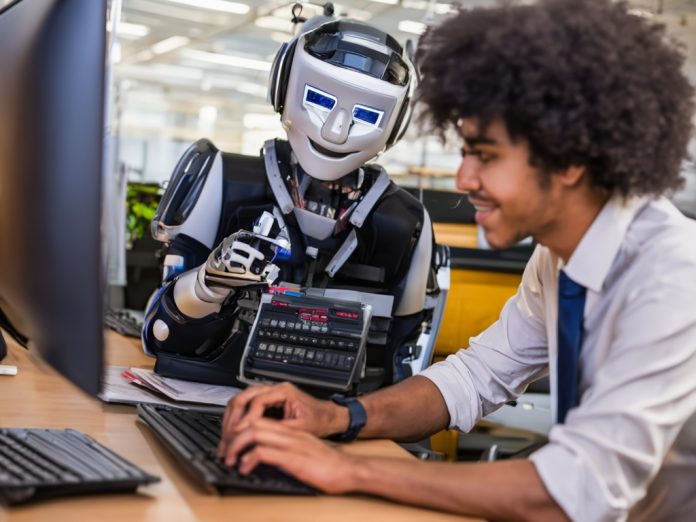

The future of work is set to be a groundbreaking collaboration between humans and robots, shaping a workplace where tasks are performed more efficiently and creatively? Unlike traditional concerns that robots would replace human jobs, the emphasis now is on how these intelligent machines can enhance human capabilities? As technology advances, the shift towards a collaborative work environment is becoming more apparent?
The Rise of Collaborative Robots
Collaborative robots, or ‘cobots’, are designed to work alongside humans in various industries? These machines can handle repetitive tasks or those requiring precision, allowing human workers to focus on creative and strategic activities? The integration of cobots in sectors like manufacturing, healthcare, and logistics demonstrates a mutual benefit, where productivity and job satisfaction improve simultaneously?
Redefining Workplace Roles
The integration of robotics within the workplace is fundamentally changing job roles? Instead of eliminating positions, robots are taking over mundane tasks, freeing humans for higher-level functions that require emotional intelligence, critical thinking, and complex problem-solving skills? This shift requires an adaptation in skill sets, emphasizing the need for tech literacy and continuous learning?
Challenges and Opportunities
While the collaboration between humans and robots presents numerous opportunities, challenges such as ethical considerations, privacy concerns, and technology accessibility must be addressed? Companies are tasked with creating policies that balance innovation with human well-being, ensuring that automation benefits all employees?
Furthermore, the collaboration introduces opportunities for enhanced creativity and productivity? With robots handling routine tasks, there is more space for innovation within teams, fostering an environment that encourages experimentation and growth?
Looking Ahead
As we move forward in this technologically enriched work environment, the focus should remain on co-existence and cooperation? Both employees and organizations must prepare for this shift by investing in education and training to fully leverage the capabilities of both human and machine?
In conclusion, the workplace of tomorrow is not a battleground for jobs between humans and robots but a fertile ground for collaboration, innovation, and growth? As roles evolve, the harmonious interaction between man and machine will define how we approach work challenges and opportunities?