

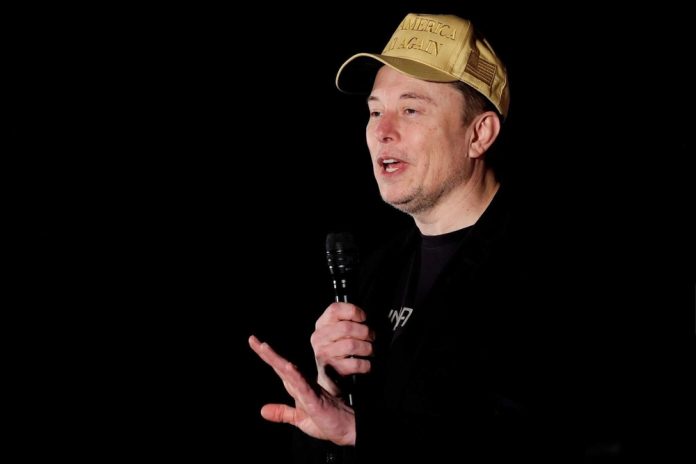

When SpaceX filed plans with the FCC last week for a million-satellite data center network, many dismissed it as another Elon Musk moonshot. But with the formal merger between SpaceX and xAI now complete, creating a combined company valued at $1.25 trillion, the vision of orbital AI infrastructure is moving from science fiction to strategic reality. The question isn’t whether Musk is serious – it’s whether his timeline makes business sense.
The Solar Power Advantage
On a recent podcast appearance, Musk laid out his core argument: “Any given solar panel is going to give you about five times more power in space than on the ground, so it’s actually much cheaper to do in space.” He’s betting that within 30-36 months, “the most economically compelling place to put AI will be space.” For context, global data center capacity is projected to reach 200 GW by 2030, representing roughly a trillion dollars’ worth of terrestrial infrastructure.
The Skeptical Counterbalance
However, close listeners noted logical gaps in Musk’s argument. As podcast guest Dwarkesh Patel pointed out, while solar panels produce more power in space, power isn’t the only cost in operating data centers – and solar panels aren’t the only power source available on Earth. Technical challenges like servicing failing GPUs during AI model training in orbit remain significant hurdles. Industry analysts question whether Musk’s three-year timeline is more speculative than strategic, noting that ambitious space-based infrastructure plans often face unexpected delays and cost overruns.
The Earthly AI Investment Surge
While Musk looks to the stars, traditional tech giants are doubling down on terrestrial investments. Google’s parent company Alphabet just announced plans to increase capital expenditure by at least $55 billion more than Wall Street forecasts for 2026, with total capex projected to reach $175-185 billion. Fourth-quarter capex nearly doubled to $27.9 billion from $14 billion last year, driven by escalating demand for AI computing power. As CEO Sundar Pichai stated, “We’re seeing our AI investments and infrastructure drive revenue and growth across the board.”
The Business Implications
For businesses and professionals, this divergence in AI infrastructure strategy presents critical questions. If Musk’s vision proves viable, early adopters could gain significant cost advantages in AI compute. But if terrestrial investments continue to dominate, companies betting on space-based solutions might find themselves at a competitive disadvantage. The reality likely lies somewhere in between: space-based data centers may eventually complement rather than replace terrestrial infrastructure, serving specialized applications where power efficiency outweighs other considerations.
The Regulatory Landscape
FCC chairman Brendan Carr’s unusual decision to share SpaceX’s filing on X suggests regulatory momentum, particularly given Carr’s history of supporting Trump administration priorities. As long as Musk maintains political alignment, the proposal faces fewer regulatory hurdles. However, this political dimension introduces additional risk factors for businesses considering orbital AI infrastructure investments.
The Bottom Line
Musk’s prediction that “five years from now, we will launch and be operating every year more AI in space than the cumulative total on Earth” represents either visionary foresight or ambitious overreach. With xAI reportedly burning around $1 billion per month and SpaceX generating up to 80% of revenue from Starlink satellite launches, the merger creates natural synergies – but also raises questions about whether space-based AI represents genuine innovation or convenient vertical integration for Musk’s empire.
As businesses navigate AI infrastructure decisions, the key insight isn’t whether space-based data centers will work, but when – and for which applications. The most prudent approach may be to monitor both terrestrial and orbital developments while building flexibility into AI strategy. After all, in the race for AI supremacy, the winners won’t be those who bet on a single infrastructure approach, but those who can adapt as the competitive landscape evolves – whether on Earth or in orbit.