

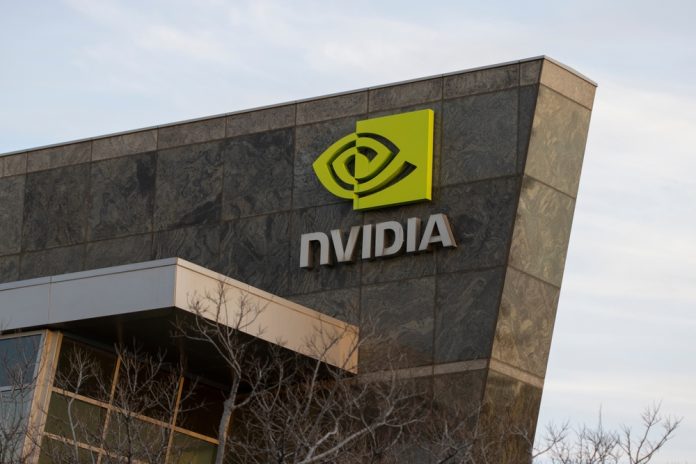

Imagine a world where AI doesn’t just write emails or generate slides, but runs entire business operations autonomously. That future is closer than you think, and tech giants are placing trillion-dollar bets to make it happen. This week’s massive compute deal between Thinking Machines Lab and Nvidia isn’t just another tech partnership – it’s a signal flare illuminating the high-stakes race to control the infrastructure powering the next generation of artificial intelligence.
The Compute Arms Race Heats Up
Thinking Machines Lab, founded by former OpenAI CTO Mira Murati, has secured what industry insiders describe as a “multibillion-dollar” chip supply deal with Nvidia. The partnership includes deployment of at least one gigawatt of Nvidia’s next-generation Vera Rubin systems starting in 2027, plus a strategic investment from the semiconductor giant. For context, one gigawatt of AI data center capacity costs $50-60 billion, with Nvidia products accounting for about $35 billion of that total.
This deal comes as AI companies scramble for computing power in what Nvidia CEO Jensen Huang predicts will be a $3-4 trillion AI infrastructure market by decade’s end. The Thinking Machines agreement follows Nvidia’s recent pivot from a $100 billion partnership with OpenAI to a $30 billion equity investment, suggesting a strategic reallocation of resources toward promising newcomers.
Beyond the Headlines: The Real Business Impact
While high-profile deals grab attention, the real transformation is happening in everyday business tools. Zoom’s recent expansion of its AI Companion to include auto-generated slides and spreadsheets demonstrates how AI is moving from novelty to necessity in workplace productivity. The company’s AI Sheets can now turn meeting conversations into structured spreadsheets, while AI Slides creates presentation decks from raw discussions – all while maintaining privacy protections that reassure enterprise customers.
Meanwhile, startups like AgentMail are building infrastructure for the coming wave of AI agents. The company, which just raised $6 million in seed funding, provides email services specifically designed for AI agents, allowing them to manage inboxes, parse conversations, and handle communications autonomously. Since OpenClaw’s debut earlier this year, AgentMail has seen its user count triple, then quadruple, as businesses seek ways to scale AI-powered operations.
The Funding Frenzy and Its Consequences
Amazon’s record $40 billion bond sale this week reveals the staggering scale of investment required. The e-commerce giant plans to use the funds primarily for AI infrastructure, part of its planned $200 billion capital expenditure this year. This borrowing binge isn’t isolated – Oracle raised $25 billion last month, while Alphabet secured over $30 billion in debt financing, all targeting AI infrastructure build-out.
But this spending spree comes with risks. Amazon shares have dropped more than 5% since January as investors worry about outsized spending on unprofitable AI startups. The tension between aggressive investment and shareholder returns is becoming a defining challenge for tech leaders navigating this transition.
The Ethical Crossroads
The infrastructure boom coincides with growing ethical tensions in AI development. The Pentagon’s recent designation of Anthropic as a supply-chain risk – typically reserved for foreign adversaries – highlights the difficult choices facing AI companies. Anthropic lost a $200 million defense contract after refusing to allow unrestricted access to its technology for mass surveillance and autonomous weapons applications.
This conflict has real business consequences: ChatGPT saw a 295% surge in uninstalls following OpenAI’s controversial Pentagon agreement, while Anthropic’s Claude climbed to the top of the App Store charts. The resignation of OpenAI’s robotics lead Caitlin Kalinowski over governance concerns about the defense deal underscores how ethical considerations are becoming boardroom priorities, not just philosophical debates.
What This Means for Your Business
The implications extend far beyond Silicon Valley boardrooms:
- Infrastructure costs will reshape competition: Smaller companies may struggle to afford the computing power needed for cutting-edge AI, potentially consolidating advantage with deep-pocketed incumbents.
- Productivity tools are becoming AI-native: Platforms like Zoom are integrating AI so deeply that traditional productivity suites may become obsolete for AI-powered workflows.
- Autonomous operations are coming: With services like AgentMail enabling AI agents to handle communications, businesses need to prepare for increasingly automated operations.
- Ethical alignment matters: Consumer backlash against defense contracts shows that AI companies’ ethical stances can directly impact their bottom line.
The trillion-dollar question isn’t whether AI will transform business – it’s which companies will control the infrastructure that makes that transformation possible. As tech giants place their bets and startups build the tools, businesses face a critical choice: adapt to this new reality or risk being left behind in the computing revolution that’s already underway.