

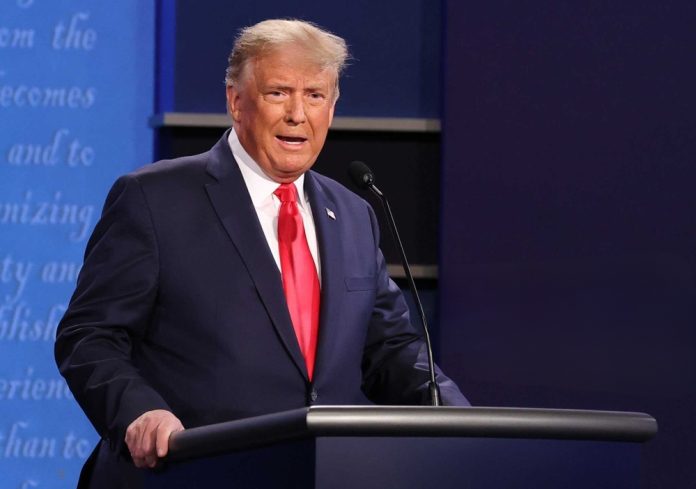

President Donald Trump’s executive order aiming to block state-level AI regulations has ignited a constitutional showdown that could leave startups in legal limbo for years? Signed on December 12, 2025, the order directs federal agencies to challenge what it calls “onerous” state AI laws, threatening to withhold billions in broadband funding from states that don’t comply? But what was pitched as a solution to regulatory fragmentation may instead create exactly the uncertainty it sought to eliminate?
The Patchwork Problem: 1,000 State Laws and Counting
White House AI adviser David Sacks revealed the staggering scale of the problem: over 1,000 AI-related bills are currently being considered across various states, with more than 100 already enacted? “It just doesn’t make sense,” Sacks argued, pointing to the compliance nightmare facing companies that must navigate 50 different regulatory regimes? The International Association of Privacy Professionals identifies seven comprehensive AI laws already active in California, Colorado, Utah, and Texas, with another pending in New York?
Federal Hammer vs? State Sovereignty
The executive order establishes an AI Litigation Task Force within the Department of Justice, giving Attorney General Pam Bondi 30 days to begin challenging state laws on interstate commerce grounds? More dramatically, it empowers the Commerce Department to compile a list of state AI regulations that could make states ineligible for portions of the $42 billion BEAD broadband subsidy program? “We want to have one central source of approval,” Trump declared, framing the move as essential for U?S? competitiveness against China?
But state leaders aren’t backing down? California Governor Gavin Newsom accused Trump of “ongoing grift in the White House,” while Democratic senators immediately promised legislative challenges? “Preventing states from enacting common-sense regulation that protects people from the very real harms of AI is absurd and dangerous,” said Senator Brian Schatz of Hawaii, who plans to introduce a repeal of the order?
Startups: The Unintended Casualties
While big tech companies with deep legal resources might navigate this uncertainty, startups face a different reality? Hart Brown, principal author of Oklahoma’s AI task force recommendations, explains the dilemma: “Because startups are prioritizing innovation, they typically do not have robust regulatory governance programs until they reach a scale that requires one? These programs can be expensive and time-consuming to meet a very dynamic regulatory environment?”
Arul Nigam, co-founder at Circuit Breaker Labs, captures the startup anxiety: “There’s uncertainty in terms of do [AI companies] have to self-regulate? Are there open-source standards they should adhere to? Should they continue building?” The executive order creates what TechCrunch describes as “legal limbo”�a prolonged transition period where state laws remain enforceable unless blocked by courts, potentially sparking years of litigation?
The Innovation vs? Protection Debate
Supporters argue the order is necessary to prevent innovation-stifling regulations? Michael Kleinman of the Future of Life Institute offers a different perspective: “This David Sacks-led executive order is a gift for Silicon Valley oligarchs who are using their influence in Washington to shield themselves and their companies from accountability?” The order specifically targets Colorado’s law requiring AI developers to protect against algorithmic discrimination based on age, race, sex, and other factors?
Legal experts question whether an executive order can override duly enacted state laws? “An executive order is not necessarily the right vehicle to override laws that states have duly enacted,” warns Gary Kibel, partner at Davis + Gilbert? Sean Fitzpatrick, CEO of LexisNexis, predicts: “States will defend their consumer protection authority in court, with cases likely escalating to the Supreme Court?”
The Practical Impact on Business
For companies developing AI products, the immediate effect is confusion? Andrew Gamino-Cheong, CTO of AI governance company Trustible, notes the disparity: “Big Tech and the big AI startups have the funds to hire lawyers to help them figure out what to do, or they can simply hedge their bets? The uncertainty does hurt startups the most, especially those that can’t get billions of funding almost at will?”
The order comes after Congress declined to include similar provisions in federal legislation, making this executive action particularly contentious? Morgan Reed, president of The App Association, sums up the industry’s frustration: “We can’t have a patchwork of state AI laws, and a lengthy court fight over the constitutionality of an Executive Order isn’t any better?”
Looking Ahead: A Regulatory Vacuum or Innovation Catalyst?
As the legal battles begin, businesses face a critical question: Will this executive order create the regulatory clarity needed for innovation, or will it simply replace one form of uncertainty with another? The answer may determine whether the U?S? maintains its edge in the global AI race or gets bogged down in domestic legal wrangling? One thing is certain: the coming months will test the balance between federal authority and state sovereignty in ways that could reshape America’s technological future?