

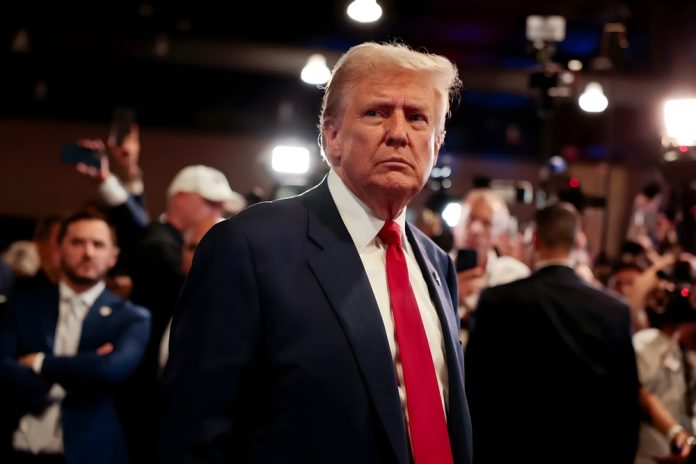

In a dramatic escalation of the battle over artificial intelligence regulation, President Donald Trump has issued an executive order that threatens to punish states implementing their own AI laws, setting the stage for a constitutional showdown between federal authority and state sovereignty? The move comes after Congress repeatedly rejected attempts to preempt state AI regulations, forcing the administration to take unilateral action that critics call a “gift for Silicon Valley oligarchs?”
The Executive Order: Federal Power vs? State Rights
Trump’s order, signed on Thursday, directs federal agencies to challenge state AI laws and potentially withhold billions in broadband funding from states deemed to have “onerous” regulations? The administration claims state laws like Colorado’s consumer protection measures force AI makers to embed “ideological bias” in their models and may even compel them to produce false results? But is this about protecting innovation or shielding tech giants from accountability?
The order specifically targets Colorado’s landmark AI law, which requires developers of high-risk systems to implement risk management programs, provide consumer appeal rights, and prevent algorithmic discrimination based on protected characteristics? Trump’s administration argues such regulations “impermissibly regulate beyond State borders, impinging on interstate commerce”�a constitutional claim that legal experts say will face immediate challenges?
State Attorneys General Fight Back
Even as Trump moves to limit state authority, a coalition of 42 state attorneys general has taken aggressive action in the opposite direction? They’ve sent letters to major AI companies including Google, Meta, Microsoft, OpenAI, and Anthropic, demanding better safeguards and citing at least six deaths allegedly linked to chatbots, including teen suicides and a murder-suicide?
“We insist you mitigate the harm caused by sycophantic and delusional outputs from your GenAI,” the attorneys general wrote, warning that failure to implement additional safeguards may violate state laws? This state-level intervention creates a striking contrast: while the federal government seeks to limit regulation, state officials are pushing for more protections, creating a regulatory patchwork that tech companies have long warned against?
The Innovation vs? Protection Debate
Tech industry supporters argue that fragmented state regulations will stifle innovation and hinder U?S? competitiveness against China? David Sacks, Trump’s AI advisor and a Silicon Valley venture capitalist, claims the order will only target “the most onerous and excessive state regulations” while protecting areas like child safety? But critics see a different motive?
“After months of failed lobbying and two defeats in Congress, Big Tech has finally received the return on its ample investment in Donald Trump,” said Senator Ed Markey (D-Mass?), echoing concerns that the order prioritizes corporate interests over public safety? The tension highlights a fundamental question: Can the U?S? maintain its AI leadership while ensuring adequate consumer protections?
Practical Implications for Businesses
For companies developing or deploying AI systems, the regulatory uncertainty creates significant challenges? Should they comply with state laws like Colorado’s, which requires transparency and risk management for high-risk systems? Or should they wait for federal clarity that may never come? The executive order creates immediate legal uncertainty, with states like California, New York, and Colorado already having passed AI regulations?
The financial stakes are substantial? States with AI laws could lose access to “non-deployment funds” from the $42 billion Broadband Equity, Access, and Deployment program�a significant penalty that could influence state legislative decisions? Meanwhile, the Justice Department must create an AI Litigation Task Force within 30 days to challenge state laws, ensuring ongoing legal battles?
Global Context and Competitive Pressures
The U?S? regulatory approach stands in stark contrast to the European Union’s comprehensive AI Act and China’s state-directed AI development? As other nations establish clear regulatory frameworks, the U?S? risks falling behind in setting global standards? Tech companies argue they need “one source of approval or disapproval” to compete effectively internationally, but consumer advocates counter that federal preemption could undermine essential protections?
Governor Gavin Newsom of California, whose state has been at the forefront of AI regulation, accused Trump of “attempting to enrich himself and his associates” through the executive order? This political divide reflects broader tensions about the appropriate balance between innovation and regulation in a technology that’s transforming every sector of the economy?
Looking Ahead: Legal Challenges and Legislative Action
The executive order faces immediate legal challenges from states and consumer groups who believe it exceeds presidential authority? Senator Brian Schatz (D-Hawaii) has promised to introduce legislation repealing the order, while state attorneys general prepare for court battles over states’ rights to protect their residents?
For businesses, the message is clear: prepare for continued regulatory uncertainty? Whether developing AI systems or deploying them, companies must navigate conflicting signals from federal and state authorities while maintaining public trust? The coming months will determine whether the U?S? can establish a coherent AI policy framework or whether regulatory fragmentation will become the new normal in the world’s most important technology market?