

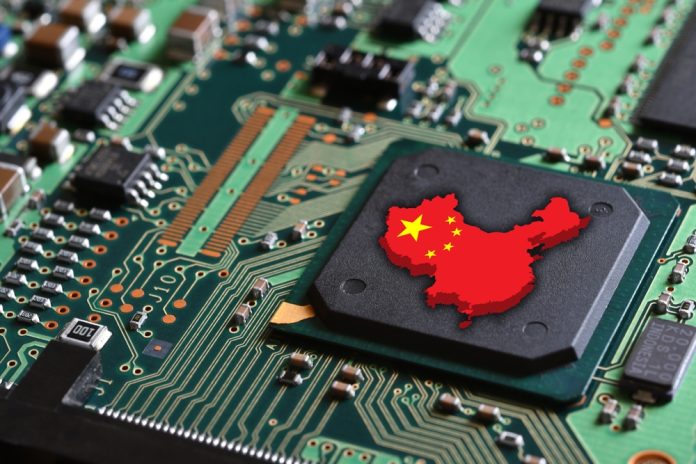

In a dramatic escalation of the U.S.-China AI race, Chinese authorities have barred the co-founders of AI startup Manus from leaving the country while regulators scrutinize Meta’s $2 billion acquisition of the company. The move signals Beijing’s growing determination to prevent what it calls “selling young crops” – homegrown AI companies moving abroad and selling to foreign buyers before fully maturing.
The High-Stakes Acquisition
Manus, which burst onto the scene last year with AI agents capable of screening job candidates and analyzing stock portfolios, quietly relocated its headquarters from Beijing to Singapore before Meta’s acquisition. The deal, completed at the end of last year, saw Meta pledge to cut all ties with Manus’s Chinese investors and shut down its operations in China entirely. But Beijing isn’t letting this go quietly.
According to the Financial Times, Manus co-founders Xiao Hong and Ji Yichao were summoned this month by China’s National Development and Reform Commission and told they wouldn’t be leaving the country while regulators review whether the Meta deal violated foreign investment rules. No formal charges have been filed, but the inquiry represents a significant escalation in China’s efforts to control its AI sector.
The Broader Geopolitical Context
This development comes amid increasing tensions in the U.S.-China technology war. Just last week, U.S. Senators Jim Banks and Elizabeth Warren urged the Commerce Department to suspend Nvidia’s licenses to export AI chips to China following the discovery of a large-scale smuggling scheme. The senators’ bipartisan letter highlights growing concerns about advanced AI technology reaching Chinese hands.
Meanwhile, SoftBank’s massive $30 billion bet on OpenAI has raised investor concerns about the company exceeding its self-imposed loan-to-value ratio limits. As Yoshimitsu Goto, SoftBank’s CFO, acknowledged, “I don’t deny the possibility in the future that we may go temporarily beyond 25 percent.” This massive investment underscores the global scramble for AI dominance.
The Talent Drain Dilemma
A Carnegie Endowment study published late last year revealed that 87 of the 100 top Chinese AI researchers at U.S. institutions in 2019 are still there. This brain drain represents a significant challenge for China’s AI ambitions. The Manus case illustrates Beijing’s determination to stem this flow, particularly when it involves companies with strategic AI technology.
Meta spokesperson stated, “The transaction complied fully with applicable law. We anticipate an appropriate resolution to the inquiry.” But Beijing’s actions suggest this may not be a routine regulatory review. The case could set a precedent for how China handles future AI company acquisitions by foreign entities.
Business Implications and Regulatory Landscape
For businesses operating in the AI space, the Manus situation serves as a cautionary tale about navigating the complex web of international regulations. Companies must now consider not just market potential and technological innovation, but also geopolitical realities and regulatory risks.
The case also highlights the divergent approaches to AI regulation emerging globally. While China tightens control over its domestic AI sector, U.S. lawmakers are proposing their own measures. Senator Bernie Sanders and Representative Alexandria Ocasio-Cortez recently introduced legislation to ban construction of new data centers with peak power loads exceeding 20 megawatts until Congress enacts comprehensive AI regulation.
The Path Forward
As the AI race intensifies, companies face increasingly complex decisions about where to base operations, how to structure ownership, and how to navigate international regulations. The Manus case demonstrates that even seemingly straightforward business transactions can become geopolitical flashpoints.
For investors and entrepreneurs, the message is clear: in the high-stakes world of AI development, geopolitical considerations are just as important as technological innovation. As one industry analyst noted, “The most powerful AI hardware on earth should have a more sophisticated chain-of-custody system than a pair of sneakers.”
The coming months will reveal whether Beijing’s actions against Manus represent a one-off response or a new pattern of aggressive intervention in AI company transactions. Either way, the global AI landscape just became significantly more complicated.