


In a world where artificial intelligence is reshaping global power dynamics, recent diplomatic maneuvers reveal a complex web of alliances and tensions that could determine the future of technological supremacy. As world leaders navigate this new landscape, the intersection of AI development, trade policies, and geopolitical strategy is creating unprecedented challenges and opportunities for businesses worldwide.
The Diplomatic Chessboard: AI Chips as Currency
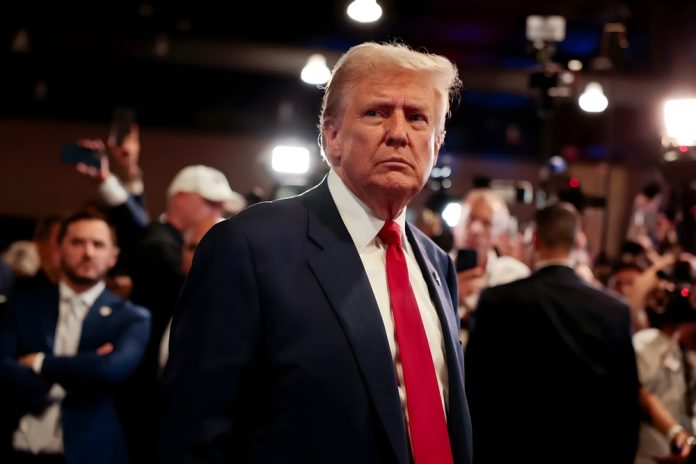
While U.S. President Donald Trump warns that it’s “very dangerous” for the UK to deepen business ties with China, a parallel story unfolds in the semiconductor industry that reveals the true stakes of this geopolitical dance. The primary source shows Trump reacting to UK Prime Minister Sir Keir Starmer’s visit to Beijing, where agreements on visa-free travel, lower whisky tariffs, and a �10.9bn investment by AstraZeneca were announced. But what’s missing from this political posturing is the underlying technological reality: AI hardware has become the new currency of international influence.
Chris Torrens, chair of the British Chamber of Commerce in China, provides crucial context when he notes that “it makes sense for the UK to be looking to China, it’s one of its larger trading partners.” This practical business perspective contrasts sharply with political rhetoric, highlighting the tension between economic necessity and strategic caution.
The Semiconductor Reality Check
While politicians exchange warnings, China has quietly approved imports of Nvidia’s H200 AI chips for three major technology companies – ByteDance, Alibaba, and Tencent. According to companion sources, this approval allows the purchase of over 400,000 chips despite ongoing U.S. export restrictions. The H200 chips deliver roughly six times the performance of previous models available in China, enabling faster AI model training and lower-cost inference.
Alex Capri, senior lecturer at National University of Singapore’s business school, offers a strategic perspective: “Beijing’s approval of the H200 is driven by purely strategic motives. Ultimately, this decision is taken to further China’s indigenous capabilities and, by extension, the competitive capabilities of China tech.” This reveals that beneath the surface of diplomatic statements lies a calculated technological strategy that could reshape global AI leadership.
The Economic Undercurrents
Simultaneously, the U.S. dollar’s decline to a four-year low against major currencies creates additional complexity. Analysts point to market concerns about “the haphazard nature of policy in this administration,” with Robin Brooks of the Brookings Institution noting that the dollar’s decline “is a reflection, basically, of markets saying this kind of chaotic back and forth hurts the US more than anyone else.” This economic backdrop makes technological alliances even more critical for businesses navigating uncertain waters.
Meanwhile, Dutch semiconductor equipment manufacturer ASML has raised its 2026 sales outlook due to record AI chip orders, forecasting up to 19% growth while planning 1,700 job cuts. This dual impact – growth alongside restructuring – illustrates how the AI revolution is reshaping global business landscapes in unpredictable ways.
The Business Implications
For enterprises operating in this environment, several key considerations emerge:
- Supply Chain Diversification: The approval of Nvidia chips in China despite U.S. restrictions demonstrates that technological supply chains are becoming increasingly complex and politically charged.
- Strategic Partnerships: As the UK-China agreements show, businesses must navigate between political tensions and economic opportunities, requiring sophisticated relationship management.
- Currency Volatility: With the dollar weakening and markets reacting to policy uncertainty, international businesses face additional financial risks that could impact AI investment decisions.
- Workforce Transformation: ASML’s simultaneous growth and job cuts highlight how AI adoption requires both investment in new capabilities and restructuring of existing operations.
Looking Ahead: The New Rules of Engagement
The convergence of these developments suggests we’re entering a new era where AI capabilities determine not just business success but geopolitical influence. As Trump prepares for his own visit to China in April, and as Western leaders continue to engage with Beijing despite warnings, businesses must recognize that traditional alliances are being rewritten through technological capability.
The question isn’t whether to engage with China or other strategic partners, but how to do so while managing the complex interplay of technological advancement, economic pressure, and political positioning. In this new landscape, the most successful enterprises will be those that can navigate multiple realities simultaneously – the political rhetoric, the economic necessities, and the technological imperatives that are reshaping our world.